Administration
A stand for Ishant: Delhi must honour pace bowling legend with 100 Tests
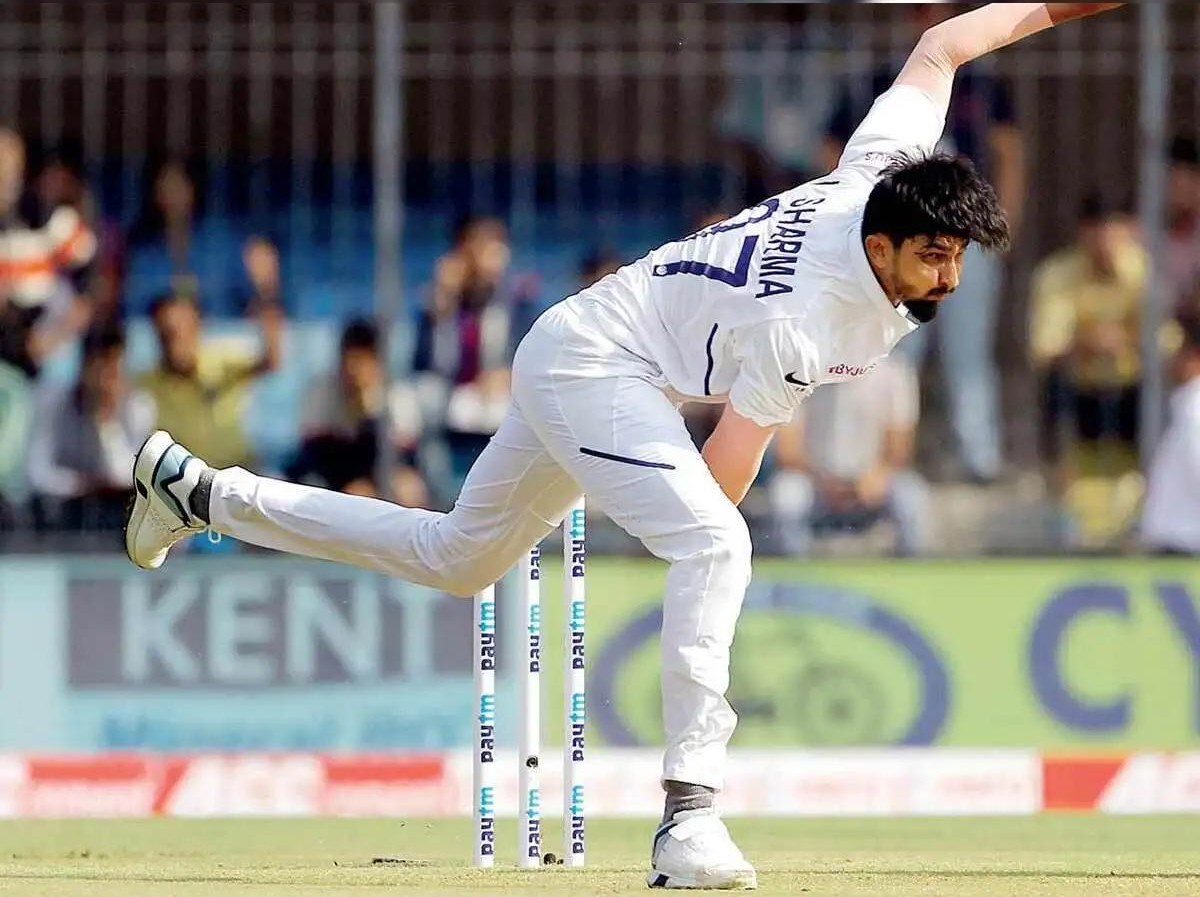
Ishant Sharma is not just another former international cricketer. He is India’s most-capped fast bowler in Test history after Kapil Dev, with 105 Tests and 311 wickets
 Pramod Jain
A former engineer who has been an observer of the Delhi and District Association (DDCA) for 55 years. He is also a long-time member of the association
31 Jul, 2026
In cricket, milestones are not merely numbers; they are markers of endurance and excellence. Delhi cricket, which has given India some of its greatest players, has produced only three cricketers who have crossed the milestone of 100 Test matches for the country. Two of them — Virender Sehwag and Virat Kohli — have already been commemorated at the Arun Jaitley Stadium. The third, Ishant Sharma, still awaits a formal tribute from the Delhi & District Cricket Association (DDCA).
That omission now deserves urgent correction.
Ishant Sharma is not just another former international cricketer. He is India’s most-capped fast bowler in Test history after Kapil Dev, with 105 Tests and 311 wickets. Debuting in 2007 as a teenager, he went on to lead India’s pace attack for well over a decade, through changing eras, changing captains and changing conditions. Only Kapil Dev among Indian fast bowlers has previously reached the 100-Test landmark.
For a generation of Indian cricket followers, Ishant is inseparable from some of the team’s defining overseas performances. His hostile spell to Ricky Ponting in Perth in 2008 announced his arrival on the world stage, and his tireless work in Australia, England and South Africa helped transform India into a formidable travelling side. He was also a key figure during two World Test Championship cycles, often doing the hard, unglamorous work that allows great teams to flourish.
Yet the strongest argument for naming a stand after Ishant may lie closer to home.
He has been a long-serving pillar of Delhi cricket, representing the state with distinction in domestic cricket and mentoring younger fast bowlers who now dream of following his path. Unlike many stars whose careers become detached from their roots, Ishant has remained closely associated with Delhi cricket and with the city that shaped him.
The case for honouring him is also a case for institutional consistency. DDCA has already recognised Sehwag and Kohli for their 100-Test achievement. Extending the same honour to Ishant would not create a new precedent; it would complete an existing one. A stadium that celebrates two members of Delhi’s 100-Test club should not leave out the third.
More importantly, such a tribute would carry immense symbolic value. Batters often dominate headlines, endorsements and public memory. A stand named after Ishant Sharma would tell every young fast bowler in Delhi that perseverance matters, longevity matters, and quiet service to the team matters. It would affirm that cricketing greatness is measured not only in centuries and glamour, but also in spells bowled into the wind, injuries endured, and years devoted to the craft.
This is not a plea for sentiment. It is a call for recognition rooted in achievement. Ishant Sharma’s record places him among the most significant cricketers Delhi has produced, and his contribution to Indian cricket is already secure in the record books. The Arun Jaitley Stadium should reflect that reality.
When future generations walk through the stadium, they should see the full story of Delhi’s Test legacy — Sehwag, Kohli and Ishant — three cricketers linked by a rare national distinction and by a common city. Honouring Ishant Sharma with a stand at the Arun Jaitley Stadium would not be an act of generosity; it would be a rightful acknowledgement of a remarkable career dedicated to Delhi and to India.
Tags : Ishant Sharma, Virat Kohli, Delhi, Cricket, DDCA, Virender Sehwag, Kapil Dev