Delhi
BRICS Summit: Delhi braces for a high-stakes diplomatic gathering and a weekend of restrictions
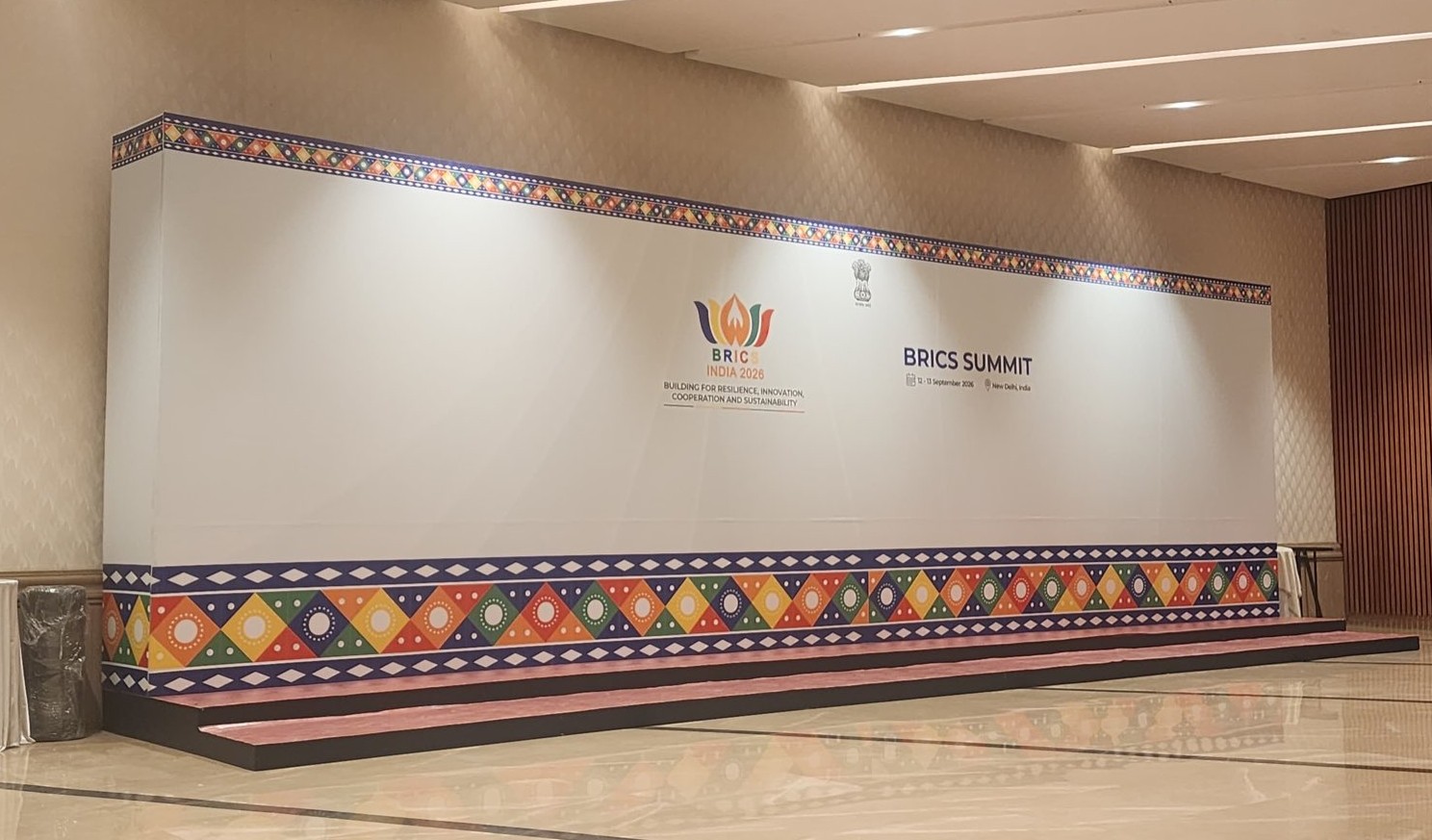
The movement of visiting leaders will be coordinated through designated routes linking the summit venue, hotels, the airport and other important locations. Authorities have identified about 35 routes and roads where restrictions or diversions may be imposed depending on the movement of VVIP convoys
 TDJ News Service
10 Sep, 2026
New Delhi: New Delhi is set to host the 18th BRICS Leaders’ Summit from September 11 to 13, with Bharat Mandapam at Pragati Maidan emerging as the centre of a major international diplomatic gathering and the city preparing for an unprecedented security and traffic operation. India, which holds the BRICS chairmanship in 2026, is expected to use the summit to push its priorities of resilience, innovation, cooperation and sustainability while bringing together leaders and senior representatives of the expanded grouping.
The summit comes at an important moment for BRICS, which has expanded significantly beyond its original membership and is seeking a greater role for emerging economies in global decision-making. For India, the New Delhi meeting is also an opportunity to demonstrate its diplomatic reach and its ability to host a large multilateral gathering. The discussions are expected to cover economic cooperation, global governance, development, technology, energy and other issues affecting the Global South.
For Delhi, however, the summit will also mean a carefully choreographed security and traffic regime. With a large number of foreign dignitaries expected in the capital, Delhi Police and other security agencies have put in place arrangements involving thousands of personnel, protected routes, hotel security and extensive surveillance. According to reports, around 25,000 security personnel are being deployed, including more than 100 National Security Guard commandos, while anti-drone systems and repeated mock drills have been introduced as part of the security preparations. Eleven hotels are also being secured for delegates and dignitaries.
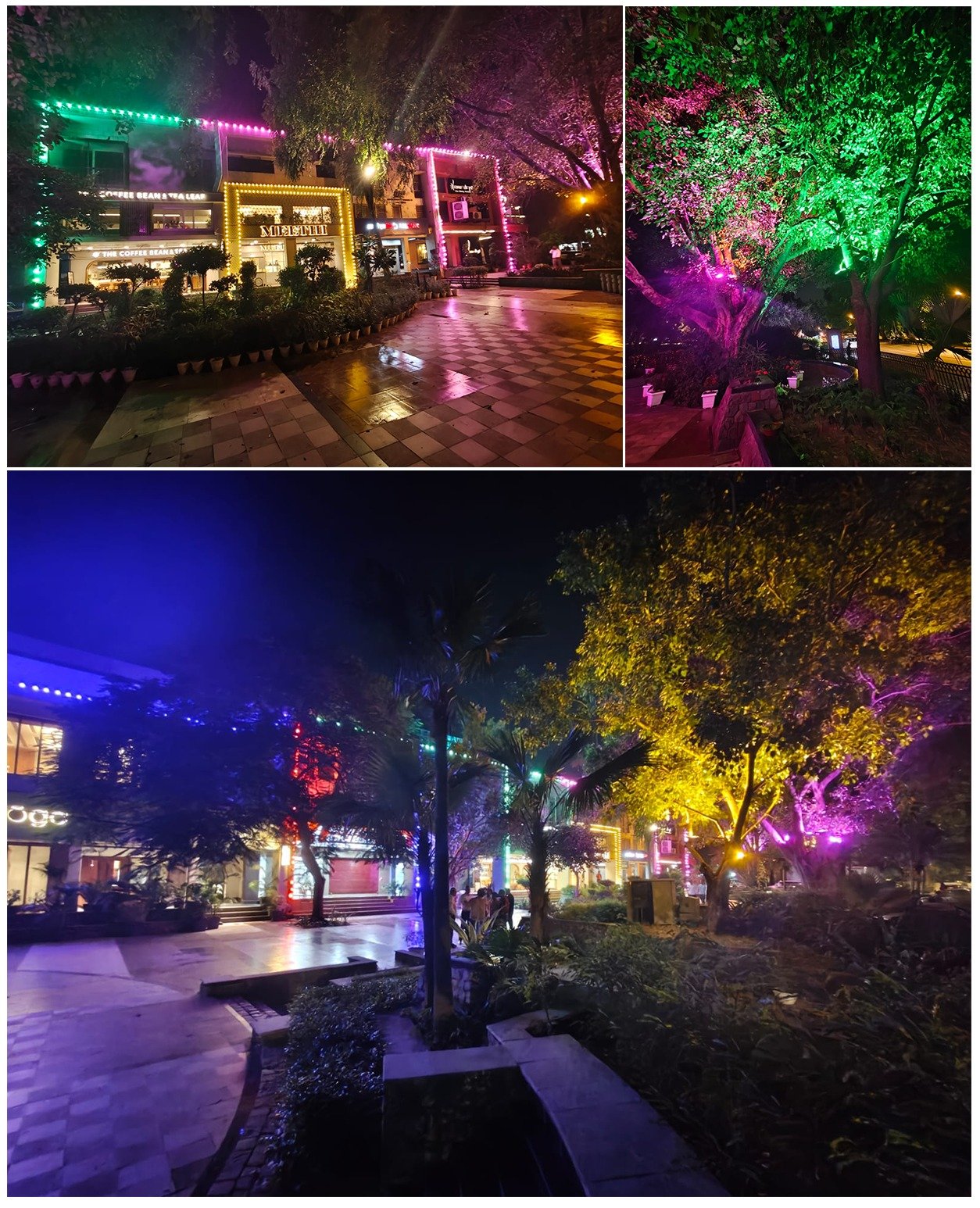
NDMC released pictures of the Capital lit up for BRICS
The movement of visiting leaders will be coordinated through designated routes linking the summit venue, hotels, the airport and other important locations. Authorities have identified about 35 routes and roads where restrictions or diversions may be imposed depending on the movement of VVIP convoys. The objective is to ensure that the movement of heads of state and government remains uninterrupted while maintaining security in surrounding areas.
Traffic management is likely to be the most visible impact of the summit on everyday life in the capital. Delhi Traffic Police has issued a dedicated advisory for September 11-13 and warned commuters about restrictions and diversions on several important roads. More than 35 roads are expected to be affected, with 22 diversion points planned as part of the traffic management arrangements. The police have advised people to avoid unnecessary travel through affected areas and plan their journeys in advance.
The restrictions will be particularly important for people travelling to and from Indira Gandhi International Airport and major railway stations. The movement of VVIP convoys could result in temporary stoppages or diversions along roads connecting the airport with central Delhi and the summit-related hotels. Travellers have therefore been advised to leave early and factor additional time into their journeys. The Delhi Traffic Police has also encouraged commuters to use the Metro wherever possible, as it is expected to be less affected by road restrictions.
The administration has already conducted rehearsals to test the movement of motorcades and the effectiveness of diversion plans. Earlier rehearsals affected more than 35 roads and involved multiple diversion points, allowing traffic personnel and security agencies to assess the arrangements before the arrival of foreign dignitaries. Areas such as Central Delhi, South Delhi, Sardar Patel Marg, Janpath, Mathura Road, Mandi House and roads leading towards the airport are among those expected to experience heightened security and traffic regulation.
Delhi Police has also been coordinating with neighbouring states and other agencies. An interstate coordination meeting was held on September 7 to review security, law-and-order and traffic preparedness for the summit, reflecting the scale of the operation beyond the boundaries of the capital.
The government has also sought to minimise the disruption to residents by making changes to the city’s normal functioning during the summit period. Schools in Delhi are scheduled to remain closed on September 11, while the summit weekend is expected to see reduced movement in several areas. The administration’s larger strategy is to reduce the volume of civilian traffic at a time when security restrictions will be at their peak.
For Delhi, the summit will therefore be a test not only of diplomatic hospitality but also of urban management. The capital has experience of hosting major international events, most notably the G20 Summit in 2023, when elaborate security, transport and civic arrangements were put in place. The scale of the current preparations reflects a similar emphasis on seamless movement of dignitaries while attempting to keep essential services and public movement functioning.
At Bharat Mandapam, the focus will be on diplomacy; outside it, Delhi will be navigating a carefully regulated weekend. The success of the summit will be measured not only by the agreements and diplomatic conversations taking place inside the venue, but also by how effectively the capital manages security, traffic and the daily needs of millions of residents while presenting itself as a global diplomatic hub.
With the BRICS gathering beginning on September 11, Delhi is now effectively in summit mode — with security agencies on high alert, traffic police ready with diversions, hotels secured and the city preparing to host some of the most consequential diplomatic visitors of the year.
Tags : BRICS Summit, Bharat Mandapam, VVIP, National Security Guard, Global South