DDCA League, Hot Weather & DPL
DPL: Where Delhi gets a rehearsal for the big league
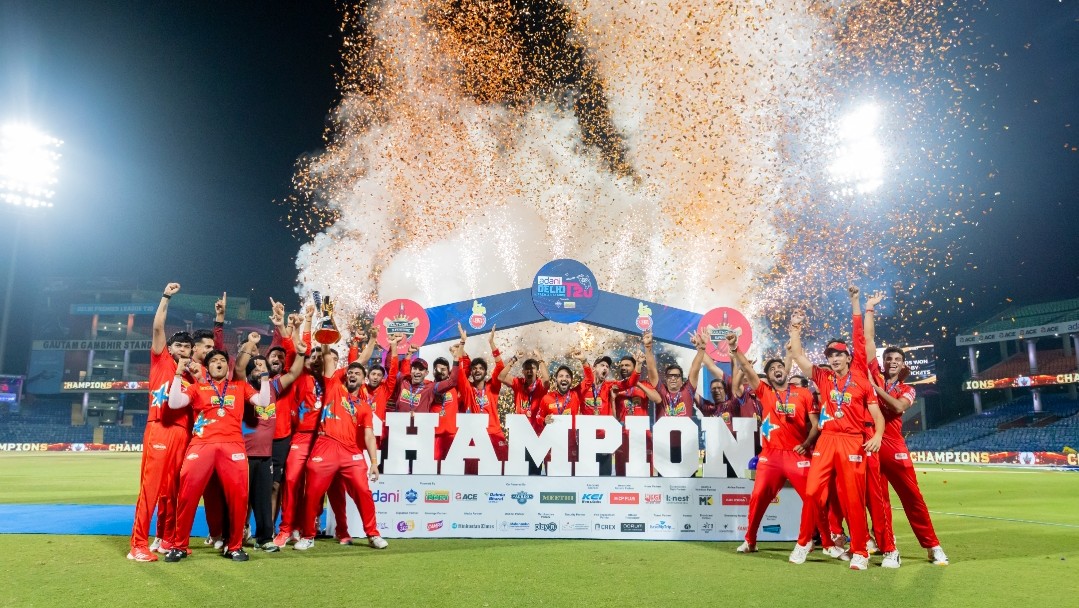
The pressure is, in many ways, deliberate. The DPL gives Delhi’s emerging cricketers a taste of the scrutiny they will encounter if they make the jump to the IPL
 Pramod Jain
A former engineer who has been an observer of the Delhi and District Association (DDCA) for 55 years. He is also a long-time member of the association
08 Sep, 2026
The Adani Delhi Premier League has quietly crossed an important threshold. In its third season, played under the floodlights at the Arun Jaitley Stadium, the tournament is no longer merely a platform for identifying Delhi’s next generation of cricketers. It is beginning to look like something more consequential — a rehearsal room for the IPL.
Congratulations to South Delhi Superstarz, the 2026 champions, and also to North Delhi Strikers, who lifted the Women’s DPL title. The men’s final was emphatic, with Superstarz defeating Central Delhi Kings by seven wickets, while North Delhi Strikers Women produced an equally convincing victory over South Delhi Superstarz Women.
But the significance of the DPL goes beyond those lifting the trophies.
What makes a franchise league different from conventional domestic cricket is the environment in which players are asked to perform. Ranji Trophy and Vijay Hazare Trophy cricket remain the foundation of India’s domestic system, but the DPL adds another dimension: television cameras, sizeable crowds at the Kotla, intense media scrutiny, franchise identities and, importantly, IPL scouts watching from the stands.
That environment matters.
Young players are not merely learning how to score runs or take wickets; they are learning how to perform when every mistake is visible and every good performance is being analysed. The pressure is, in many ways, deliberate. It gives Delhi’s emerging cricketers a taste of the scrutiny they will encounter if they make the jump to the IPL.
There is also a practical advantage. A player can move from the Delhi circuit to the IPL radar remarkably quickly. The emergence of players such as Priyansh Arya, Digvesh Rathi, Vansh Bedi and Tejasvi Dahiya illustrates how a strong performance in the DPL can open doors beyond the tournament itself.
That is perhaps the league’s greatest value: it creates a clearly visible ladder between local cricket and the professional franchise game.
Former England pacer Stuart Broad’s recent observation that domestic performances need to be rewarded is particularly relevant here. A domestic player needs not only a platform to perform but also an ecosystem capable of ensuring that those performances are noticed. The DPL is increasingly providing both.
For Delhi cricket, therefore, the challenge now is not simply to make the league bigger. It is to make it better — stronger scouting, better coaching, improved facilities and a transparent pathway from performance to opportunity.
Credit must go to DDCA president Rohan Jaitley and secretary Ashok Sharma for giving the DPL the scale and visibility it has acquired, as well as to the franchises, organisers and Adani Group for supporting the third season.
The real test of the DPL, however, will not be measured only in trophies or television numbers. It will be measured by how many of the young players who shine at the Kotla eventually walk into an IPL dressing room.
If that number keeps growing, the DPL will have achieved something far more valuable than staging another domestic tournament. It will have become Delhi’s genuine first step towards the IPL.
Tags : Delhi, Cricket, DPL, IPL, Adani, Priyansh Arya, Digvesh Rathi, Vansh Bedi, Tejasvi Dahiya