Books
‘Iran-US War’ chronicles 100 days of conflict and its global impact
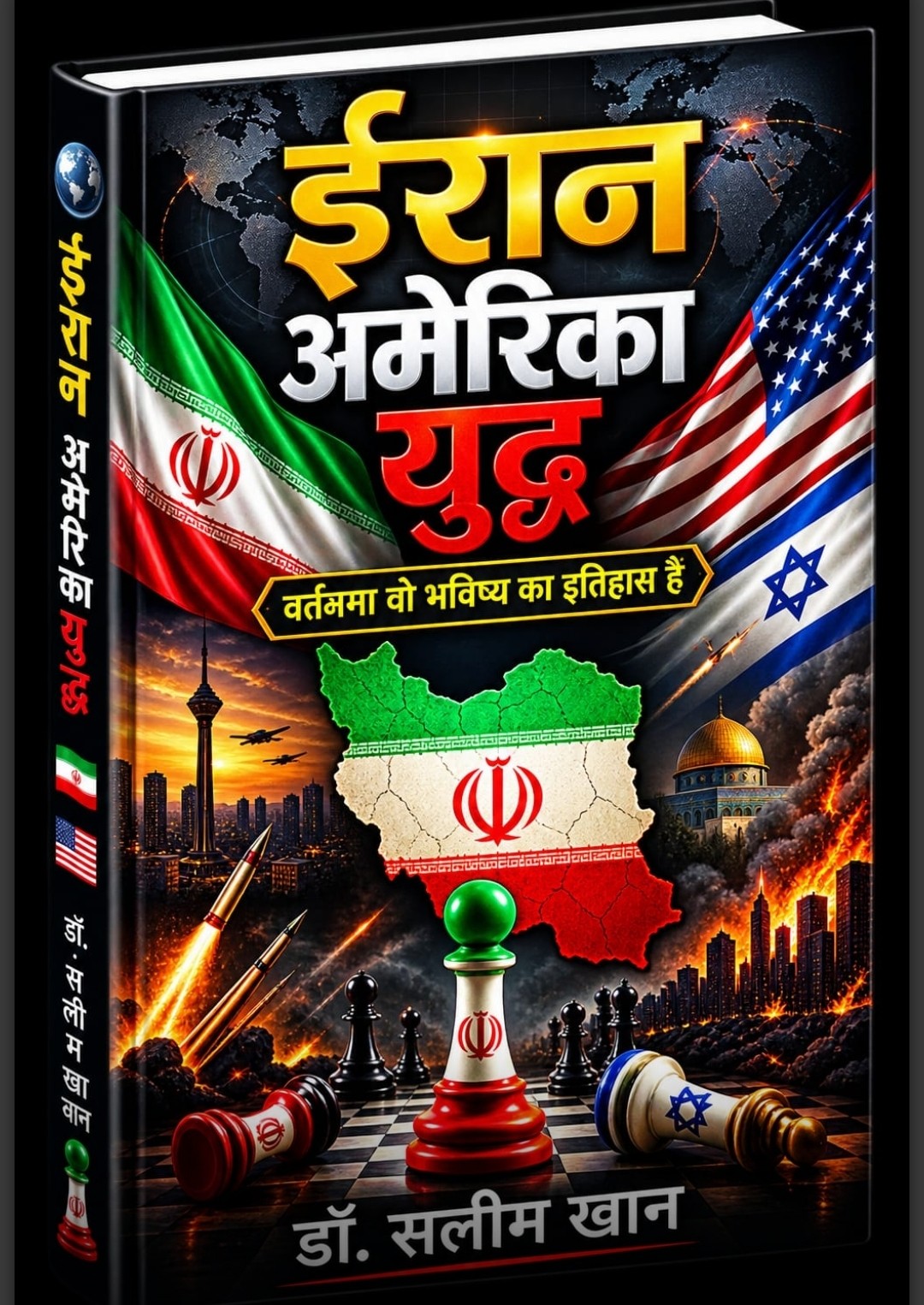
The book portrays Iran’s response as a demonstration of national resilience. Iran, it says, refused to yield to threats of American ground intervention
 TDJ News Service
08 Sep, 2026
Forty articles written by researcher Salim Khan during the Iran-US war have been compiled into a Hindi book titled Iran-US War following the completion of 100 days of the war. The book, which was released at a ceremony at the Constitution Club in the national capital, examines the origins and consequences of the conflict, arguing that the United States launched military action against Iran while diplomatic talks between the two countries were still underway.
According to the book, the US-Israeli offensive resulted in the death of Iran’s Supreme Leader, Ali Khamenei, and also targeted a girls’ school, where more than 180 children were reportedly killed. The incidents, the author argues, triggered widespread grief and raised questions over the justification for attacks aimed at changing Iran’s political system.
The book also questions Israel’s stated objective of ending Iran’s government system, arguing that the right to choose a government rests with the people of that country. It asks what authority Israel has to intervene in Iran’s internal political affairs.
Khan notes that several world leaders expressed condolences following Khamenei’s death, while criticising India for what he describes as its silence despite the longstanding historical ties between India and Iran. He contrasts this with Prime Minister Narendra Modi’s earlier statement, made in the context of the Ukraine conflict, that “this is not a time of war, but of peace”.
The book portrays Iran’s response as a demonstration of national resilience. Iran, it says, refused to yield to threats of American ground intervention, declaring that the country that started the war would not determine its outcome.
A major focus of the book is the military impact of Iran’s retaliation. It claims Iranian missiles penetrated Israel’s air-defence systems and struck strategic locations, including military installations and facilities associated with Mossad. The author argues that the conflict exposed limitations in Israel’s much-publicised missile defence capabilities and damaged its international standing.
The book further contends that Iranian attacks on US military bases in the region challenged the assumption that American bases guaranteed protection to host countries. It claims the US suffered significant military losses and was forced to reposition or withdraw personnel and assets.
Khan also highlights the limited international support for Washington. Britain, according to the book, distanced itself from the conflict, while public opinion in the US was divided. Citing an Ipsos survey, it says 27 per cent of Americans supported the US attacks on Iran, while 43 per cent opposed them.
The Strait of Hormuz emerges as another major theme, with the book describing it as a crucial strategic flashpoint. Khan concludes that the conflict could reshape global power equations and alter perceptions of US and Israeli military influence in West Asia.
Tags : Iran, USA, War, Washington, Book, Britain