International
Ranji Trophy vs IPL: Need for a correct balance, not a blame game
Indian cricket needs neither an IPL vs Ranji Trophy debate nor a rigid play domestic cricket at all costs rule. What it needs is a transparent, merit-based pathway from rehabilitation to competitive match fitness and national selection
 Pramod Jain
A former engineer who has been an observer of the Delhi and District Association (DDCA) for 55 years. He is also a long-time member of the association
24 Sep, 2026
There is an uncomfortable question that Indian cricket needs to confront: has the IPL become too influential in the selection of the national team at the expense of red-ball domestic cricket?
Increasingly, performances in the IPL appear to carry enormous weight when players are considered for India, while those who spend months grinding through the Ranji Trophy and Duleep Trophy can sometimes find themselves waiting for an opportunity.
That sends the wrong message to the next generation.
Ranji Trophy cricket demands a very different kind of commitment. Players spend long hours in the field, bowl extended spells, bat through difficult periods and learn to manage fatigue over several days. The conditions can be unforgiving, but that is precisely what makes multi-day cricket such an important preparation ground.
The concern becomes sharper when one looks at India's growing injury list.
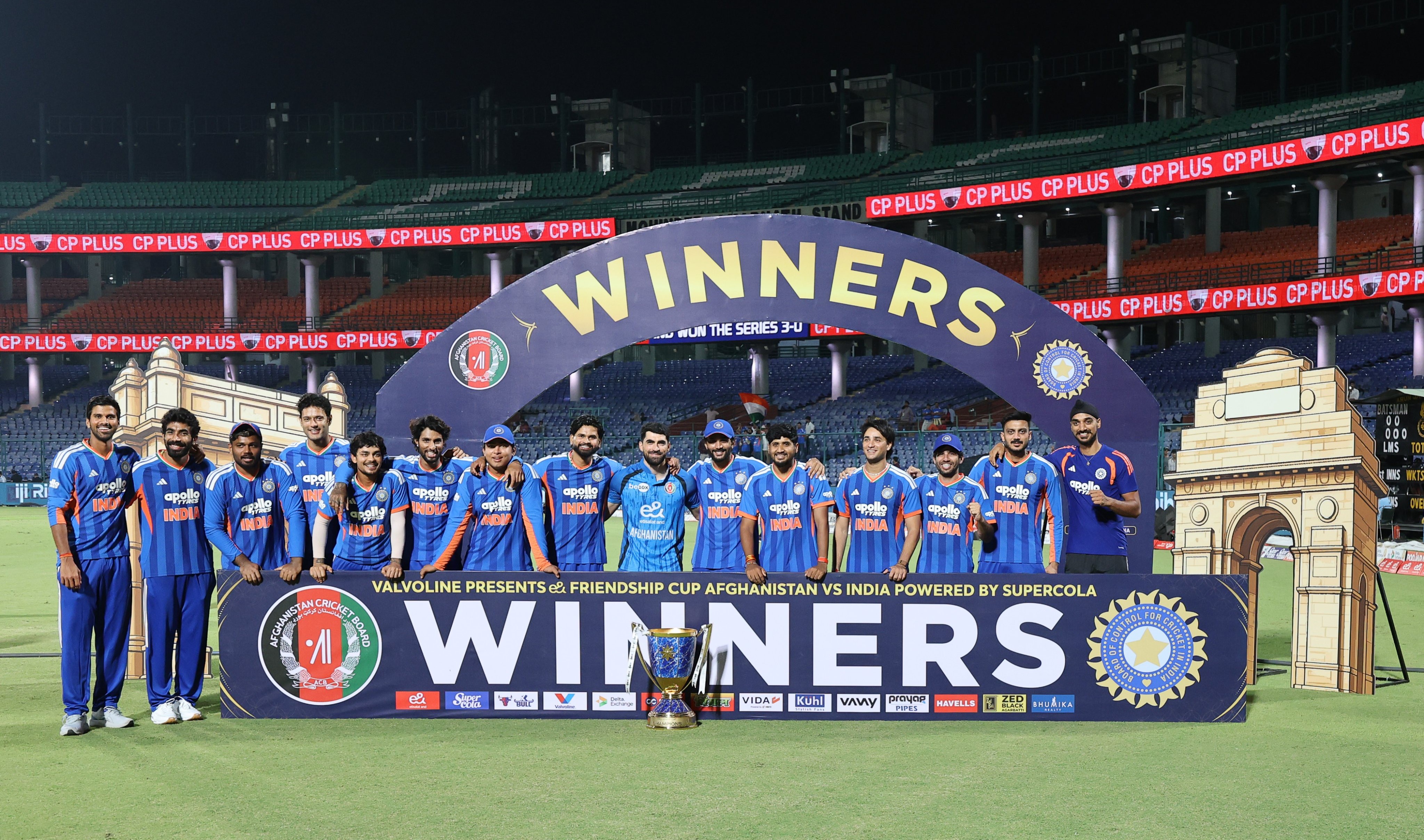
Several players spend significant periods at the Centre of Excellence (COE) in Bengaluru undergoing rehabilitation. Varun Chakravarthy's recent experience is a case in point. Having returned to the Indian side after an injury lay-off, he played only one T20 International against Afghanistan before suffering another injury. Hardik Pandya's workload remains another area of concern, particularly with his ability to bowl his full quota of 10 overs in ODIs being closely watched as India builds towards next year's World Cup.
It would, however, be simplistic to blame the IPL for every injury.
Modern professional cricket is an extraordinarily demanding environment. Workload, bowling volume, travel, recovery, strength and conditioning, biomechanics and the relentless multi-format calendar all contribute to injury risk. A player can be injured despite following the best possible preparation, just as an IPL-heavy workload cannot automatically be identified as the sole cause of a breakdown.
The real issue, therefore, is not IPL versus Ranji. It is the transition between formats and the management of workload.
The missing ingredient is match fitness
A four-over spell in T20 cricket cannot replicate the physical and mental demands of bowling 15-20 overs in a day, returning the next morning and doing it again. Likewise, scoring 50 off 30 balls is not preparation for batting for several hours against a fresh attack on a deteriorating pitch.
That is where Ranji and Duleep Trophy cricket retain their importance.
A fitness test can establish whether a player is physically ready to train. It cannot completely replicate the demands of competitive cricket. Match fitness has to be demonstrated in matches.
This is where Indian cricket needs a more clearly defined comeback pathway.
A player recovering from injury should not necessarily be sent straight from the COE into the national team simply because he has established his fitness in the gym or performed well in a T20 competition. There should be a graded return-to-play programme followed, wherever appropriate, by competitive domestic cricket before a return to international cricket.
But this cannot become a blanket formula either.
Saying every injured player must play one or two Ranji matches sounds attractive, but cricket is not that simple. A fast bowler returning from a serious injury cannot be treated in exactly the same way as a batter or wicketkeeper. The nature of the injury, rehabilitation progress, workload history and the demands of the format for which the player is being selected must all be considered.
Bring the stars back to domestic cricket
There is another part of the equation that deserves attention.
When India's leading players are genuinely available and medically cleared, they should, wherever practical, turn out for their state teams. Their presence can raise the standard of domestic cricket, attract greater attention to the competition and provide younger players with the opportunity to share a dressing room with established internationals.
The argument is not that every national player must be forced into domestic cricket regardless of circumstances. International schedules, workload management and individual medical considerations will always matter.
But domestic cricket should not become merely a pathway for players trying to break into India while established stars bypass it altogether.
If a senior international is available to represent his state, there is considerable value in him doing so.
Merit has to remain the bridge
The answer is not to make the IPL the villain and Ranji Trophy the hero. Both serve different purposes.
The IPL has become an outstanding platform for identifying and developing T20 specialists. It tests players under intense pressure and gives Indian cricket access to a vast pool of talent. Ranji Trophy, meanwhile, remains indispensable for developing cricketers capable of handling the demands of the longer formats.
The mistake would be to allow one pathway to completely overshadow the other.
What Indian cricket needs is a transparent system:
CoE rehabilitation → graded return-to-play → domestic competitive cricket → multi-day match fitness → national selection.
And when a player is selected directly after rehabilitation, the decision should be based on clearly defined factors — medical clearance, match fitness, recent performances and the requirements of the format — rather than reputation, IPL price tag or past achievements.
Ultimately, this is about restoring trust in the pathway.
The youngster scoring 800 runs in a Ranji season needs to believe that his performances matter. The IPL performer needs to know that success in T20 cricket can open doors without automatically guaranteeing selection across formats. And the injured international needs a carefully managed route back rather than a shortcut.
Indian cricket does not need to choose between the IPL and Ranji Trophy. It needs to ensure that the bridge between the two is strong enough to produce players who are not merely talented, but ready for the demands of international cricket.
Tags : Indian cricket, IPL, injury, Ranji Trophy, Hardik Pandya, Varun Chakravarthy