Health
After 15 years of sleeping upright, AIIMS gives high-risk heart patient new breath of life
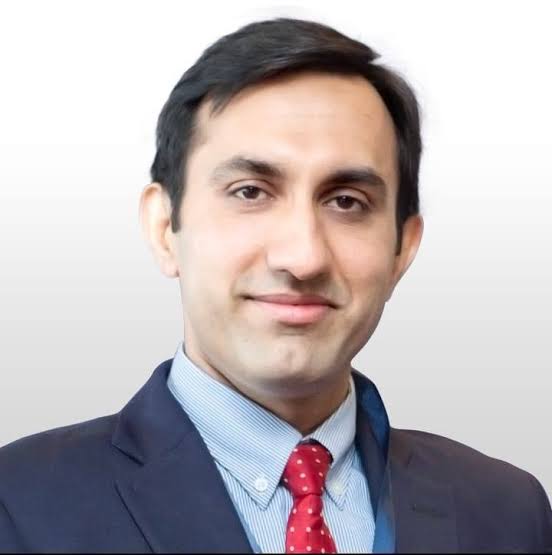
The patient, weighing 135 kg, was battling severe aortic valve disease compounded by multiple serious comorbidities
 TDJ News Service
07 Jun, 2026
New Delhi: In a striking demonstration of how cutting-edge cardiac technology is redefining the boundaries of modern medicine, doctors at AIIMS New Delhi successfully performed a life-saving Transcatheter Aortic Valve Implantation (TAVI) on a 57-year-old man whose chances of undergoing conventional heart surgery had all but vanished.
The patient, weighing 135 kg, was battling severe aortic valve disease compounded by multiple serious comorbidities. His condition was further complicated by an alarmingly low left ventricular ejection fraction (LVEF) of just 15 per cent—an indication that his heart was functioning at a fraction of its normal capacity. With the risk of open-heart surgery deemed prohibitively high, he had previously been turned away for conventional valve replacement, leaving him with few treatment options and an uncertain future.
Faced with a case many would consider among the most challenging in cardiovascular medicine, the AIIMS team opted for the minimally invasive TAVI procedure, offering the patient a renewed chance at life. The successful intervention not only overcame formidable medical odds but also underscored the growing role of advanced transcatheter therapies in treating patients once considered inoperable.
Most notably, the patient’s deteriorating cardiac condition had severely affected his quality of life. For nearly 15 years, he had been unable to sleep lying flat and was forced to sleep in a sitting position because of breathlessness caused by advanced heart failure.
Recognizing the complexity of the case, a multidisciplinary Heart Team at AIIMS carefully evaluated the patient and recommended TAVI—a minimally invasive procedure that enables replacement of the diseased aortic valve without open-heart surgery.
The procedure was successfully performed using a 29 mm Sapien 3 Ultra Resilia valve by an expert Heart Team comprising Prof. Nitish Naik, Senior Consultant & Professor of Cardiology (Padma Shri Awardee); Dr. Ravinder Singh Rao, Chairman, RHL Heart Centre, Head - Complex Angioplasty - TAVI Program, Sr. Consultant Interventional Cardiology at Lilavati Hospital, Mumbai; and Dr. Amitabh Satsangi, Assistant Professor - CTVS.
Following the intervention, the patient demonstrated an excellent recovery, with significant improvement in symptoms and overall cardiac function.
Speaking about the case, Dr. Ravinder Singh Rao said, “Patients with severe aortic stenosis and advanced heart failure often have limited treatment options, especially when they are deemed unsuitable for surgery due to multiple risk factors. TAVI has emerged as a transformative therapy for such patients, offering a safe and effective alternative. This case highlights how timely intervention, advanced technology, and a collaborative Heart Team approach can help even the highest-risk patients achieve excellent outcomes.”
TAVI has increasingly become a preferred treatment option for patients with severe aortic stenosis who are at high or prohibitive surgical risk. Unlike conventional valve replacement surgery, the procedure is performed through a catheter-based approach, resulting in less trauma, shorter recovery times, and improved outcomes in appropriately selected patients.
Experts at AIIMS emphasized that the success of such complex interventions relies heavily on the Heart Team model, where interventional cardiologists, cardiac surgeons, imaging specialists, anesthesiologists, and critical care experts jointly evaluate and manage patients to ensure the most appropriate treatment strategy.
The successful outcome further underscores the growing role of structural heart interventions in managing complex cardiovascular diseases and offering renewed hope to patients who may otherwise have limited therapeutic options.
Tags : AIIMS, Doctor, Cardiovascular, aortic valve, Cardiology