Administration
Age isn't the only test: Why tenure matters in DDCA elections
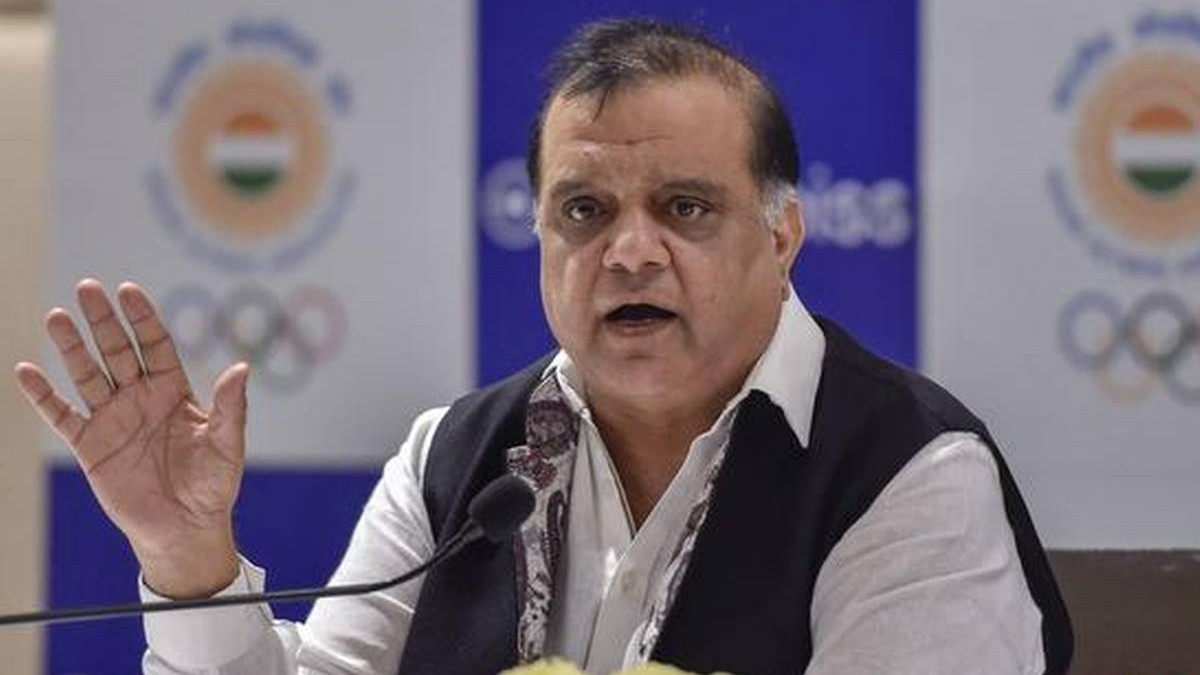
The Lodha Reforms, introduced to improve governance and accountability in Indian cricket administration, also prescribe limits on how long an individual can hold office. Clause 6(2), dealing with the cooling-off period, states that no person shall hold office for more than nine years in aggregate at the State Association level before becoming ineligible to continue without the prescribed break
 Pramod Jain
A former engineer who has been an observer of the Delhi and District Association (DDCA) for 55 years. He is also a long-time member of the association
18 Jul, 2026
As the race for the Delhi & District Cricket Association (DDCA) presidency gathers momentum, former administrator Narinder Dhruv Batra has maintained that he is eligible to contest because he is below the age of 70. On the question of age, that assertion appears to be correct.
Under Clause 6(1)(c) of the Lodha Reforms, which have been incorporated into the constitutions of the BCCI and DDCA, no office-bearer can continue in office after attaining the age of 70. Mr. Batra is below that threshold.
However, age is only one part of the eligibility criteria. The other, and equally significant, is tenure.
The Lodha Reforms, introduced to improve governance and accountability in Indian cricket administration, also prescribe limits on how long an individual can hold office. Clause 6(2), dealing with the cooling-off period, states that no person shall hold office for more than nine years in aggregate at the State Association level before becoming ineligible to continue without the prescribed break.
According to publicly available records, Mr. Batra served the DDCA continuously for approximately 11 years, first as Joint Secretary and later as Treasurer. If these records are accurate, his tenure exceeds the nine-year limit laid down under the Lodha framework.
That makes the issue one of constitutional interpretation rather than personal opinion. While there has been debate in recent months over whether certain office-bearers have completed nine years in office, Mr. Batra's tenure history, if established as part of the official record, would leave little room for ambiguity.
The larger issue extends beyond one individual. The Lodha Reforms were introduced after years of debate over governance in cricket administration. Their purpose was to bring uniformity, transparency and accountability. Applying one provision while overlooking another would undermine the very principles the reforms sought to establish.
For DDCA members, the question is not merely whether a candidate satisfies the age criterion, but whether all constitutional eligibility requirements have been met. Selective interpretation of the rules risks creating uncertainty and setting precedents that could weaken institutional governance.
As the association prepares for its next election, the focus should remain on consistent adherence to the DDCA Constitution and the Lodha Reforms. Good governance is not achieved by enforcing rules selectively; it depends on applying every provision equally, irrespective of the individual concerned.
Ultimately, the credibility of the electoral process rests not only on who contests, but on whether the rules governing eligibility are interpreted and enforced uniformly.
Tags : Narinder Batra, Cricket, Delhi cricket, DDCA, BCCI, Lodha reforms