Events & Updates
Historic Chandni Chowk gets parking solution
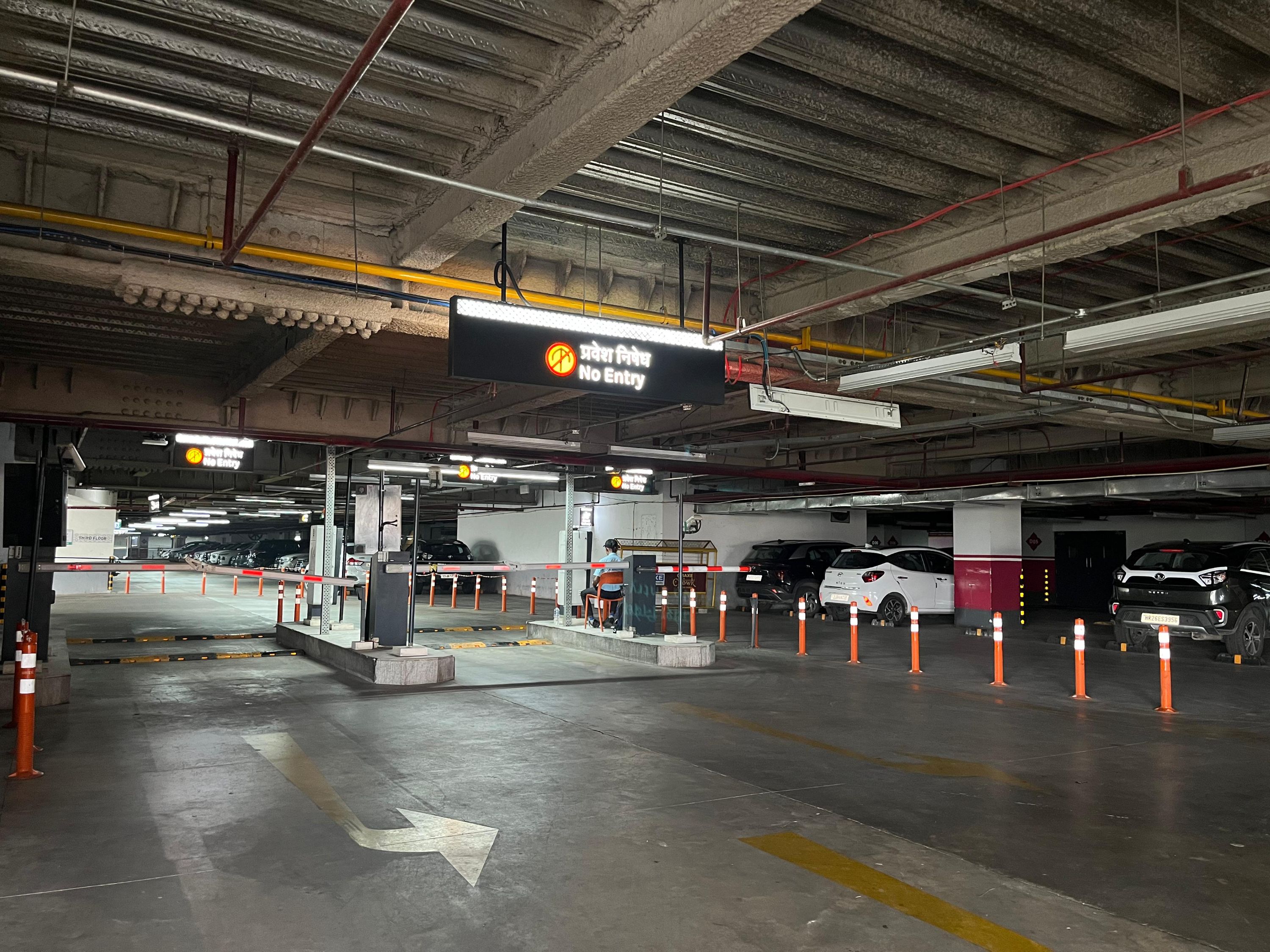
The ₹650-crore Omaxe Chowk development spans 4.5 acres, built adjacent to the historic Gurudwara Sis Ganj Sahib and Fatehpuri Masjid
 TDJ News Service
27 Jun, 2025
For decades, navigating the labyrinthine alleys of Chandni Chowk, one of Delhi’s oldest and most visited commercial districts, came with an unwritten warning: do not arrive by car. With no structured parking and streets overrun by vehicles, visiting the 17th-century market often meant spending more time negotiating congestion than exploring its storied offerings.
But that dynamic is shifting, and at the centre of the transformation is a singular number: ₹20 per hour, as per the official MCD rate for four-wheeler parking. That is now the cost of legally and safely parking in the heart of Chandni Chowk, courtesy of the multi-level facility at Omaxe Chowk, a retail-cum-parking complex developed in a PPP model with the North Delhi Municipal Corporation in Chandni Chowk. The mall adheres to the MCD parking rates—₹20 per hour for four-wheelers, capped at ₹100 per day, and ₹10 per hour for two-wheelers, capped at ₹50 per day, making it both accessible and officially regulated.
A Multi-Layered Problem Meets a Multi-Level Solution
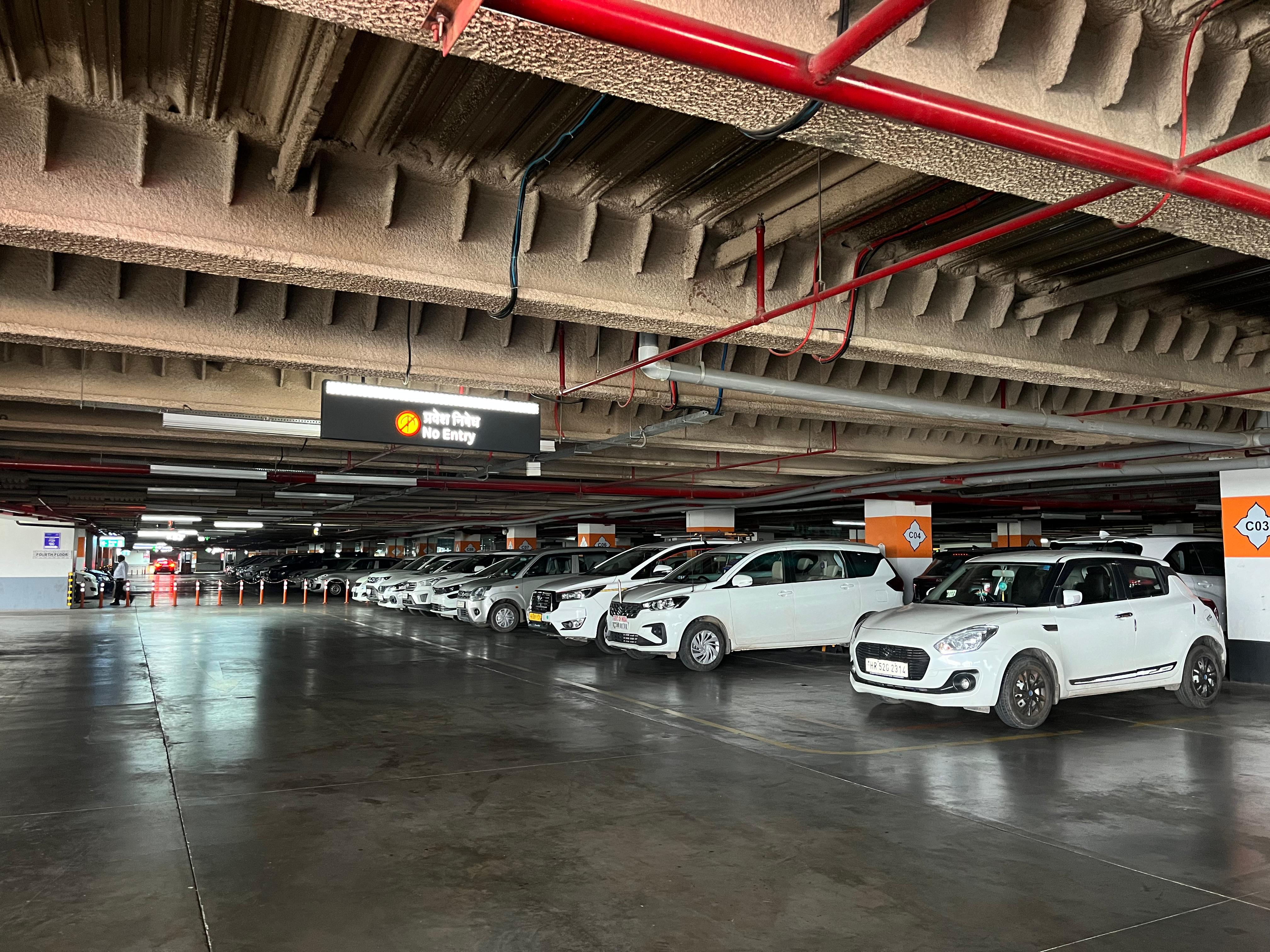
The ₹650-crore Omaxe Chowk development spans 4.5 acres, and is built adjacent to the historic Gurudwara Sis Ganj Sahib and Fatehpuri Masjid. The underground parking structure — with a capacity for over 2,200 vehicles — is equipped with smart systems including real-time slot mapping, license plate recognition, and contactless payment integration.
Until recently, the area witnessed some of the worst congestion in the capital. According to Delhi government data, Chandni Chowk saw average vehicular speeds drop below 3 km/h during peak hours. Much of this was attributed to the absence of off-street parking infrastructure in an area that draws lakhs of visitors each week.
“The challenge was not just about parking, but about accessibility, heritage conservation, and urban renewal,” said Jatin Goel, Executive Director, Omaxe Group. “When we envisioned Omaxe Chowk, our objective wasn’t just to create a retail centre but to offer a structural solution to a long-standing urban bottleneck. Chandni Chowk is a heritage zone, but it was being choked by its own popularity. By integrating a smart, multi-level parking facility with modern retail infrastructure, and doing so at MCD rates, a highly accessible price point of ₹20 per hour, we’ve made the area more navigable and welcoming without compromising its historical character.
This isn’t just about convenience; it’s about restoring confidence among traders, shoppers, and tourists that Chandni Chowk can evolve while still preserving its legacy. The resulting increase in footfall and retail vibrancy is testament to what is considered urban redevelopment can achieve,” he added.
Reclaiming the Market for People, Not Vehicles
The facility’s impact has been immediate and significant. Usage data indicates thousands of vehicles parked daily, particularly over weekends, leading to visibly smoother traffic in adjacent lanes. The structured entry and exit system has reduced roadside chaos, and traders who once complained of customer drop-offs due to parking woes now report increased footfall.
Footfall analytics suggest that the broader Chandni Chowk area has seen a 30–40% increase in weekday visitors since the facility’s launch. The complex itself reports 85% retail occupancy, with many heritage eateries and jewellery retailers operating out of the modern, climate-controlled premises.
Retail spillover is also benefiting legacy businesses located outside the premises, suggesting that the project has not cannibalized but instead rejuvenated the surrounding ecosystem.
A Template for Urban Integration
Omaxe Chowk is not the first attempt to upgrade infrastructure in Old Delhi, but it is among the most visible examples of successful heritage-integrated development. Designed with Mughal-inspired facades and compliant with stringent heritage norms, the project blends contemporary functionality with aesthetic continuity.
More than 150 legacy businesses, some over a century old, now operate from within the complex. Critics who feared the displacement of small traders have since acknowledged that many of these brands now benefit from improved footfall, hygiene, and infrastructure without losing their cultural identity.
Urban planners view Omaxe Chowk as a potential template for similar revitalisations in India’s congested heritage cores. “What makes this project compelling is its integration of public infrastructure with commercial functionality,” says an urban transport consultant with a Delhi-based think tank. “It doesn’t merely provide parking — it restores order, drives commerce, and reclaims public space.”
The Bigger Picture
As Indian cities struggle with rising vehicle ownership and deteriorating pedestrian infrastructure, structured parking solutions are being revisited with renewed interest, especially when combined with retail, tourism, and heritage-sensitive planning.
In a market that has historically operated on foot traffic and legacy value, Chandni Chowk’s accessibility was perhaps its biggest paradox. With Omaxe Chowk offering parking at MCD rates, that paradox is beginning to resolve — one parked car at a time.
Tags : Omaxe Chowk, Delhi, Chandni Chowk, Parking, MCD