Administration
Delhi cricket at a crossroads: Time to put the game before power and politics
DDCA urgently requires an overhaul—one rooted in transparency, accountability, and respect for the game
31 Dec, 2025
By Pramod Jain
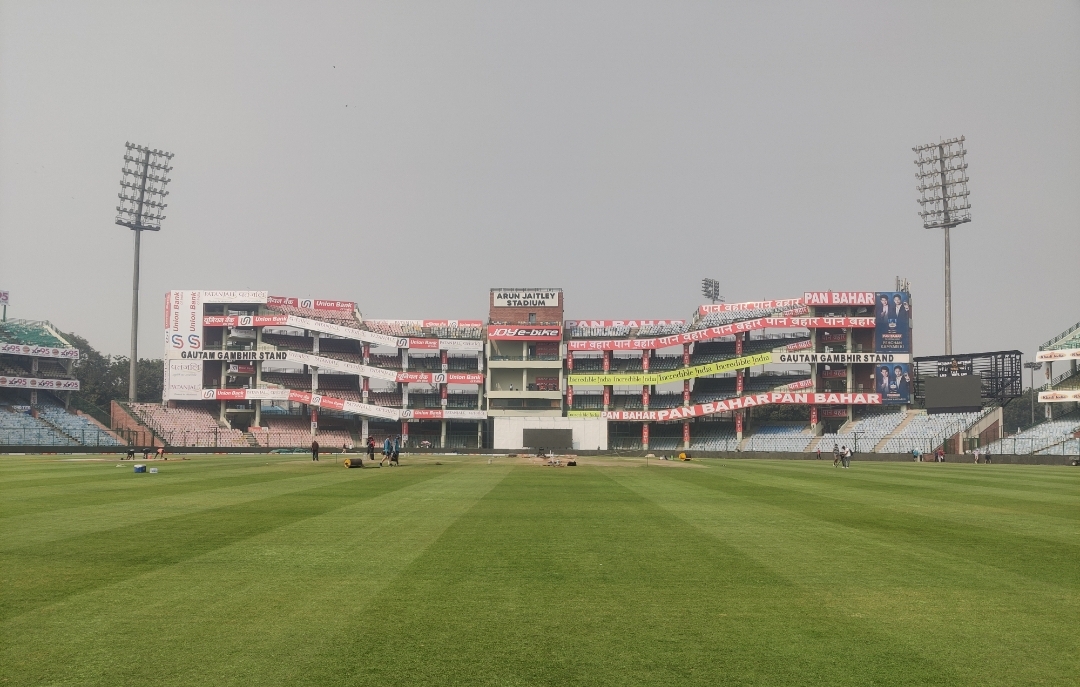
The Delhi and District Cricket Association (DDCA), headquartered at the iconic Ferozeshah Kotla ground (Arun Jaitley Stadium), has long been a cornerstone of Indian cricket. This historic venue has nurtured legends and produced countless players who went on to represent Delhi and India with pride. Yet today, behind the legacy and the grand stands, Delhi cricket appears to be battling deep-rooted administrative issues that threaten its future.
At the heart of the concern lies the question of priorities.
DDCA reportedly receives around ₹115 crore annually from the BCCI, with a clear mandate that 80% of this amount needs to be spent on cricket development. However, expenditure patterns raise serious red flags. Nearly ₹11 crore spent on legal expenses and approximately ₹10 crore on staff salaries and wages point to a system where funds are being drained away from actual cricketing growth. These are phenomenal expenses for an association that consistently claims a lack of resources at the grassroots level.
If even a portion of such spending were rationalised, the impact could be transformative. Affiliated clubs — many of which have historically produced Delhi and India players — could be provided annual subsidies of ₹10 lakh per club to upgrade infrastructure, coaching, and facilities. At present, DDCA itself lacks adequate grassroots facilities, making this neglect even more alarming. The question must be asked: Can allocation priorities be revisited to put cricket development first instead of legal battles and bloated administration?
Power, Politics, and the Cost of Connections
Delhi cricket has always carried influence, but in recent years, power struggles and favouritism appear to have overshadowed merit. With the commercialisation of leagues such as the IPL and DPL, the stakes have grown higher — and so has the temptation to manipulate selections.
In this environment, connections often seem to matter more than performance. Talented players grind through age-group and club cricket, while others leapfrog levels without credible records. Merit, once the backbone of Delhi cricket, is increasingly perceived as optional.
This erosion of fairness has led to growing anger among players, parents, and coaches. The Ranji cap — once a symbol of years of hard work, consistent performance, and resilience—no longer commands the same respect. The feeling is stark: Has playing Ranji become so easy that credentials no longer matter?
A selection system under question
Recent squad announcements have intensified these concerns. The inclusion of certain players across formats — Ranji Trophy, T20s, and Vijay Hazare — despite an apparent lack of impact at U-19, U-23, league cricket, or developmental tournaments, has left many stunned. Proven performers continue to wait, while the same names keep moving forward regardless of results.
This is not about targeting individuals; it is about questioning a deeply flawed selection mechanism. When consistent performance is ignored, Delhi risks bleeding genuine talent—players who may never get another chance because the system failed them.
Age-group cricket: Where the damage begins
The crisis is even more worrying at the junior level. Serious allegations have emerged regarding the U-16 Delhi team including:
⚫ Merit being ignored, with deserving players left out
⚫ Team balance compromised, including instances such as three wicketkeepers being selected in a single playing XI
⚫ Lack of transparency, with trial score sheets not made public
⚫ Allegations of money power, where parents and coaches claim demands are routed through agents
These claims strike at the very foundation of cricket development. If fairness is compromised at U-16, U-19, and U-23 levels, the damage to Delhi cricket’s future will be irreversible.
What Delhi cricket needs now
DDCA urgently requires an overhaul—one rooted in transparency, accountability, and respect for the game. Key reforms must include:
⚫ Strictly merit-based player selection, with no favours for the powerful
⚫ Public disclosure of trial score sheets and selection criteria
⚫ Independent inquiries into allegations of corruption and favoritism
⚫ Top-quality facilities for players, members, and affiliated clubs
⚫ Clean and accountable administration
⚫ A genuine focus on nurturing young talent, not just promoting big or connected names
A call to protect Delhi cricket
Delhi cricket deserves better. Its players deserve justice. Its future depends on the choices made today.
This is an appeal to those who truly care about the game—leaders, administrators, and former players who understand what Delhi cricket stands for.
It is time to get back to cricket. Not connections. Not courtrooms. Not power games.
If these issues are ignored, Delhi will continue to lose its brightest talents — not to other states, but to disillusionment. Change is not just necessary; it is urgent.
(Pramod Jain is a senior member of Delhi and District Cricket Association. He has been following Delhi cricket for over 55 years)
Tags : Delhi cricket, DDCA, Ferozeshah Kotla, BCCI, Arun Jaitley Stadium