Administration
White Paper: Revitalising Delhi cricket – A roadmap for reform
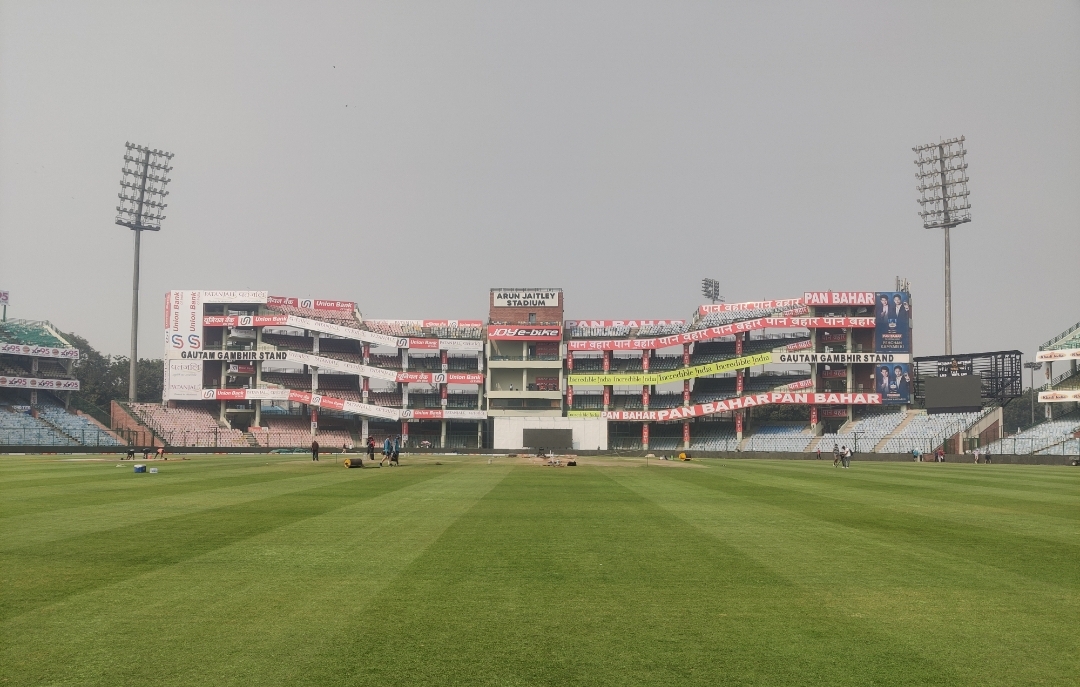
The Delhi District Cricket Association stands at a defining moment, requiring transparent governance, structured selection processes, and renewed focus on domestic excellence. This document outlines essential reforms to strengthen integrity, empower clubs, and build a sustainable, performance-driven cricketing ecosystem aligned with national standards
20 Feb, 2026
By Pramod Jain
The Delhi District Cricket Association (DDCA) stands at a crucial juncture. While recent tournaments have concluded, this is an opportune moment to reflect on structural gaps and governance concerns that may be impacting performance, credibility, and long-term growth.
This white paper outlines key challenges—particularly around selection transparency, governance protocols, grassroots development, and focus on domestic excellence—and proposes actionable reforms to restore integrity, strengthen systems, and elevate DDCA’s standing in line with Board of Control for Cricket in India (BCCI) domestic cricket standards.
CURRENT CHALLENGES
1. Selection Process & Governance Concerns
Recent concerns have emerged regarding the presence of additional officials—such as the Joint Secretary, DDCA representatives, CAC members, and Ombudsman representatives—during selection meetings.
As per established guidelines:
# Selection meetings should involve only three selectors and one convenor (Secretary).
# The Cricket Advisory Committee’s (CAC) role is limited to appointing selectors, not participating in selection deliberations.
# DDCA and Ombudsman representatives are not required to attend selection meetings.
The presence of additional officials raises important questions:
# Why are they attending?
# Does their presence compromise the sanctity, independence, and transparency of the selection process?
A credible and unbiased selection system is foundational to performance and player morale.
2. Overemphasis on short-term gains
There appears to be a focus on immediate outcomes rather than sustained development aligned with BCCI domestic cricket goals.
3. Inadequate grassroots and club support
# Limited structural support for affiliated clubs.
# Infrastructure challenges and rental issues.
# Insufficient encouragement for year-round nets and coaching programs.
4. Lack of Structured Talent Pathway
# No clearly defined year-long cricket calendar.
# Insufficient age-group integration.
# Limited data-driven performance tracking for selectors and coaches.
REFORM PROPOSALS
1. Restore sanctity and transparency in selection
To ensure a transparent and unbiased process:
# Only three selectors and one convenor (Secretary) should attend selection meetings.
# Clearly define and enforce roles of CAC, DDCA officials, and Ombudsman.
# Preserve videography of selection meetings for accountability and audit purposes.
# Conduct periodic reviews to address discrepancies in selection patterns.
# Retain selectors based on objective, data-driven performance metrics.
These measures will enhance DDCA’s credibility and motivate deserving players by reinforcing trust in the system.
2. Structural overhaul
# Form a Cricket Advisory Committee (CAC) before the Delhi Premier League (DPL) cycle begins.
# Appoint selectors well in advance, allowing them sufficient time to evaluate players and prepare teams for BCCI domestic tournaments.
# Introduce a year-long cricket calendar integrating: age-group tournaments, structured league cricket, pre-season and off-season training programs
3. Focus on BCCI domestic cricket
# Prioritize preparation for BCCI domestic tournaments across formats.
# Develop a robust, performance-based selection ecosystem.
# Build long-term squad continuity instead of short-term experimentation.
# Align coaching, fitness, and scouting programs with domestic competition benchmarks.
4. Club empowerment & infrastructure development
Clubs are the backbone of DDCA cricket. Reforms should include:
# Subsidies and structured financial assistance for infrastructure upgrades.
# Resolution of rent-related challenges.
# Incentives for clubs running structured coaching programs and regular nets.
# Technical support for talent identification at the grassroots level.
5. Talent development & performance incentives
# Create a structured pool of specialists (fast bowlers, spinners, batters, wicketkeepers) across age groups.
# Introduce measurable KPIs (Key Performance Indicators) for selectors and coaches.
# Provide performance-based incentives tied to: Team progression in tournaments, player development benchmarks, domestic competition results,retain selectors and coaching staff through objective evaluation systems.
Monitoring and implementation mechanism
A dedicated Cricket Committee, comprising eminent former players and Apex Council members, should be formed to:
# Monitor implementation of reforms.
# Review governance compliance in selection processes.
# Ensure adherence to transparency norms.
# Provide strategic direction aligned with long-term DDCA growth.
Regular reporting and stakeholder feedback mechanisms should be institutionalised.
IMPLEMENTATION ROADMAP
1. Immediate phase
# Reaffirm selection meeting protocols.
# Restrict attendance to authorised members only.
# Begin videography and documentation of meetings.
2. Pre-DPL phase
# Form CAC
# Appoint selectors with adequate preparation time
3. Annual planning
# Launch structured cricket calendar.
# Introduce performance tracking systems.
4. Ongoing oversight
# Quarterly review by cricket committee.
# Transparent communication with stakeholders.
EXPECTED OUTCOMES
# Restoration of trust and sanctity in the selection process.
# Improved performance in BCCI domestic competitions.
# Stronger grassroots ecosystem.
# Motivated players confident in a fair system.
# Enhanced reputation of DDCA as a professionally governed cricket body.
CONCLUSION
DDCA’s future depends on institutional integrity, structured development, and transparent governance. By restoring sanctity to selection meetings, empowering clubs, strengthening grassroots pathways, and prioritizing BCCI domestic excellence, DDCA can build a sustainable cricketing ecosystem that contributes meaningfully to Indian cricket’s growth.
The time for reform is now—structured, transparent, and performance-driven.
(Pramod Jain is a long-time member of DDCA and has been observing Delhi cricket for 56 years)
Tags : DDCA, Delhi cricket, selection, Indian cricket, white paper