Delhi
Delhi Government expands administrative districts from 11 to 13
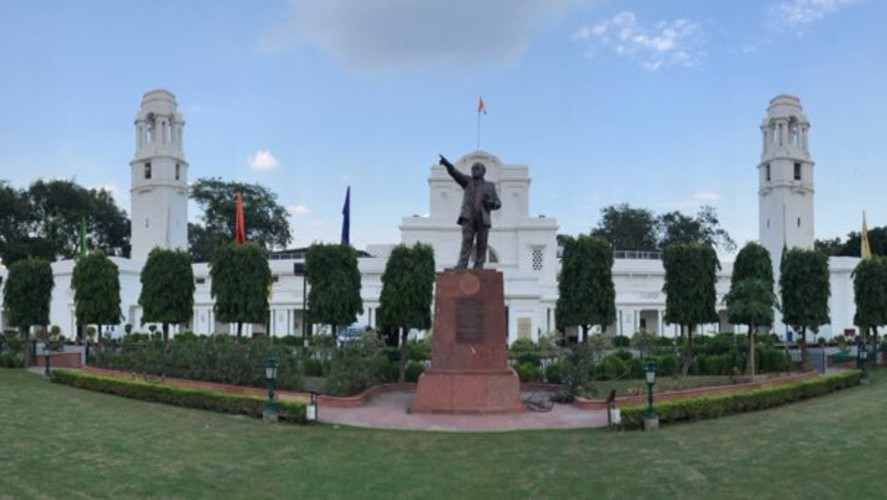
Under the reorganisation, two new revenue districts are being carved out, bringing the total to 13
 TDJ News Service
12 Dec, 2025
New Delhi: In a major administrative overhaul, the Delhi Government has approved the reorganisation of the National Capital Territory’s revenue districts, increasing the number from 11 to 13.
This decision, taken by the Cabinet chaired by Chief Minister Rekha Gupta, reflects a strategic effort to strengthen governance, improve service delivery, and ensure better coordination between administrative and civic bodies across the city.
The decision was officially approved on December 11, 2025, marking one of the most significant restructurings of Delhi’s administrative map in recent years. The shift will see the existing 11 districts reorganised and aligned with the 12 Municipal Corporation of Delhi (MCD) zones, as well as with the New Delhi Municipal Council (NDMC) and the Delhi Cantonment Board. Under the reorganisation, two new revenue districts are being carved out, bringing the total to 13.
Background and Rationale
For decades, mismatched boundaries between revenue districts and municipal units in Delhi have posed administrative challenges. Revenue districts did not neatly align with MCD zones or other civic boundaries, leading to confusion in jurisdiction, delays in service delivery, and difficulties in land record management. Officials noted that these mismatches often resulted in overlapping mandates, inconsistent responses to public complaints, and inefficiencies in governance.
Chief Minister Rekha Gupta described the move as a historic step in modernising the capital’s administrative structure. She stated that the restructuring implements the government’s vision of “One Delhi, One Boundary, One Window” — meaning clearer administrative jurisdictions, streamlined processes, and facilities closer to citizens. Gupta emphasized that this reform was needed to adapt Delhi’s administration to the demands of the 21st century, especially given the city’s rapid population growth, urban expansion, and increasing complexity of civic needs.
Key Features of the Reorganisation
Addition of Two New Districts: Delhi will now have 13 revenue districts instead of 11. The new districts include Old Delhi, Central North, and Outer North; the existing Shahdara district has been restructured and its area redistribuated into adjacent jurisdictions.
Alignment with Civic Boundaries: The newly drawn district boundaries are fully aligned with the 12 MCD zones, NDMC, and Delhi Cantonment Board, promoting better coordination with civic services and reducing bureaucratic overlap.
Expansion of Sub-Divisions and Offices: The number of sub-divisions will increase from 33 to 39, while sub-registrar offices — responsible for land record and property registration functions — will also rise from 22 to 39. This expansion is expected to reduce waiting times and make key revenue services more accessible.
Mini Secretariats: Each of the 13 districts will host multi-departmental mini secretariats to serve as one-stop centres where citizens can access a range of services including revenue, SDM/ADM, and sub-registrar functions.
Budget Allocation: The government has sanctioned an initial ₹25 crore for the first phase of this transition, covering realignment costs and logistical implementation.
Anticipated Impacts
The government has highlighted several expected positive outcomes from the reorganisation:
Improved Ease of Living: By bringing administrative services closer to residents and simplifying access points, citizens are expected to encounter lower travel times and reduced bureaucratic hurdles when seeking essential services.
Better Governance Coordination: With aligned boundaries, interactions between revenue offices, MCD, NDMC, and the Cantonment Board are expected to become more seamless, reducing confusion and delays — particularly in urban planning, infrastructure approval, and property matters.
Balanced Workload: The increase in sub-divisions and the redistribution of jurisdictions aim to balance the workload of district officials, allowing faster grievance redressal and more effective oversight of local issues.
Enhanced Urban Planning: A clearer administrative map supports more coherent long-term planning around disaster management, land record maintenance, and integrated public services.
Implementation Timeline
According to government releases, a gazette notification is expected within 15 days to formalise the new structure, with the 13 districts fully operational by December 2025. Officials have also indicated that other agencies such as the Delhi Jal Board, Delhi Police, and PWD will gradually align their operational boundaries with the new revenue map.
Tags : Delhi government, Legislative assembly, Rekha Gupta, MCD, NDMC