Nation
Explainer | The EU–India trade pact: Tariffs, trade-offs and strategic stakes
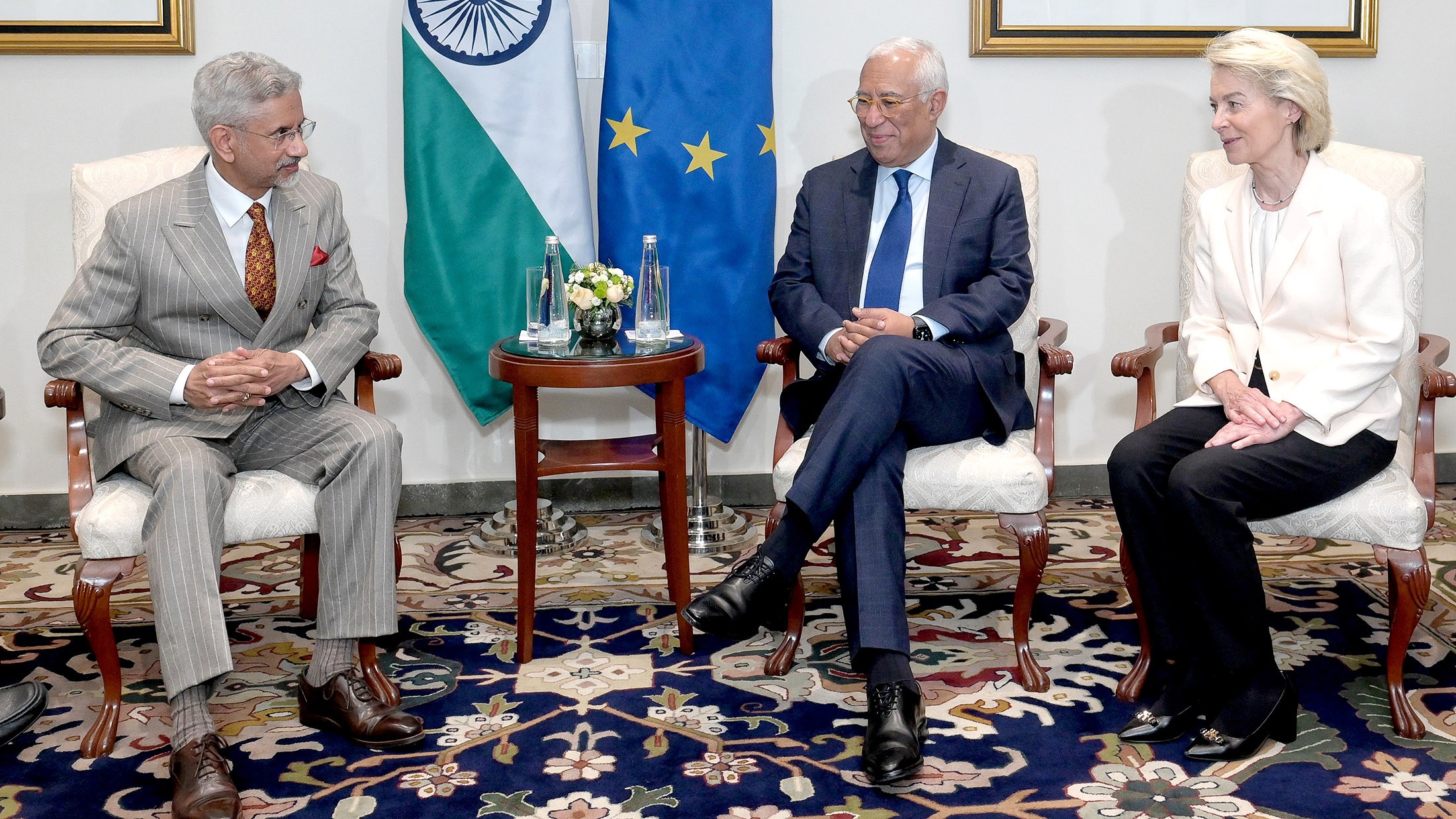
The proposed pact aims to dismantle some of the highest tariff barriers between two major global markets, promising deeper commercial ties while exposing long-standing political and economic fault lines on both sides
 TDJ News Service
29 Jan, 2026
New Delhi: After years of intermittent talks, the European Union and India are moving closer to a comprehensive trade agreement that could reshape one of the world’s most underdeveloped major trade relationships. At the heart of the proposed pact lies a politically sensitive issue: tariffs—how fast they fall, how far they go, and who bears the cost.
A relationship heavy on potential, light on access
The EU is India’s largest trading partner, while India is one of the EU’s fastest-growing export destinations. Yet trade between the two remains constrained by high import duties, particularly on the Indian side. Average Indian tariffs on industrial goods are several times higher than those in the EU, creating a persistent imbalance in market access.
Under the proposed agreement, the EU would eventually eliminate tariffs on over 99 per cent of Indian exports, including labour-intensive goods such as textiles, garments, leather products, seafood, gems and jewellery. Many of these products currently face EU duties ranging from 4 to 26 per cent, which would fall to zero, significantly improving India’s export competitiveness.
India, by contrast, would reduce or eliminate tariffs on roughly 92 per cent of its tariff lines for EU goods—less comprehensive, but economically significant given India’s higher starting rates.
The big ticket items: Cars, alcohol and industry
No sector better illustrates the complexity of the deal than automobiles. India currently imposes tariffs of up to 110 per cent on imported cars, effectively shielding its domestic market. Under the trade pact, these duties would be reduced gradually, with tariffs potentially falling to around 10 per cent for a limited quota of European vehicles over time. The pace and scale of these cuts remain politically sensitive, given concerns about domestic manufacturers and employment.
Alcoholic beverages are another flashpoint. Import duties on European wines and spirits, which can reach 150 per cent, would be sharply reduced. Wine tariffs are expected to fall to roughly 20–30 per cent, while spirits would see duties decline to around 40 per cent, and beer to about 50 per cent. For European exporters, this would open a market long constrained by prohibitive taxation; for India, it raises concerns about domestic producers and public health regulation.
Across industrial goods, the tariff reductions are more sweeping. Duties on European machinery, electrical equipment, chemicals, pharmaceuticals, medical devices, plastics, iron and steel—currently ranging from 11 to over 40 per cent—would be phased down to zero over periods of five to ten years. These changes are central to the EU’s economic case for the agreement.
What India gains—and what it risks
For India, near-duty-free access to the EU’s 450-million-strong consumer market would be a major boost for export sectors that generate large-scale employment. Textiles and apparel, which currently face EU tariffs of 11–12 per cent, and leather and footwear, facing duties of up to 17 per cent, stand to benefit the most.
At the same time, Indian policymakers remain cautious. Lower tariffs on high-value European imports could pressure small manufacturers, while compliance with EU regulations—on carbon emissions, data protection and product standards—may raise costs for Indian firms. India has therefore resisted binding commitments that it views as non-tariff barriers in disguise.
Why the EU Is pushing hard
For the EU, the agreement is about more than exports. With tariffs already low on its side, Brussels is seeking reciprocal access to a fast-growing market where demand for cars, machinery, pharmaceuticals and luxury goods is rising rapidly.
Strategically, the pact fits into the EU’s effort to diversify supply chains and deepen ties with partners outside China. Economically, it promises improved conditions for European investors and service providers, including in finance, logistics and digital trade.
The remaining fault lines
Despite progress, negotiations remain difficult. India is wary of the EU’s insistence on enforceable labour and environmental standards, while the EU faces domestic pressure not to dilute its sustainability agenda. Agricultural products and certain sensitive sectors are likely to remain partially protected or excluded.
Tariffs may be falling, but the politics surrounding them remain firmly in place.
A deal with broader implications
If concluded, the EU–India trade pact would rank among the largest trade agreements negotiated by either side, covering economies with a combined population of nearly two billion. By cutting tariffs on more than 90 per cent of traded goods, it would mark a decisive shift towards deeper economic integration.
Whether it becomes a landmark agreement or another missed opportunity will depend on how much political capital both sides are willing to spend on tariff cuts that promise long-term gains—but carry short-term costs.
(This report has been collated with the help of AI)
Tags : EU, European Union, India, S Jaishankar, Trade, Tariffs