Domestic
IS Bindra: The administrator who helped propel Indian cricket onto the world stage
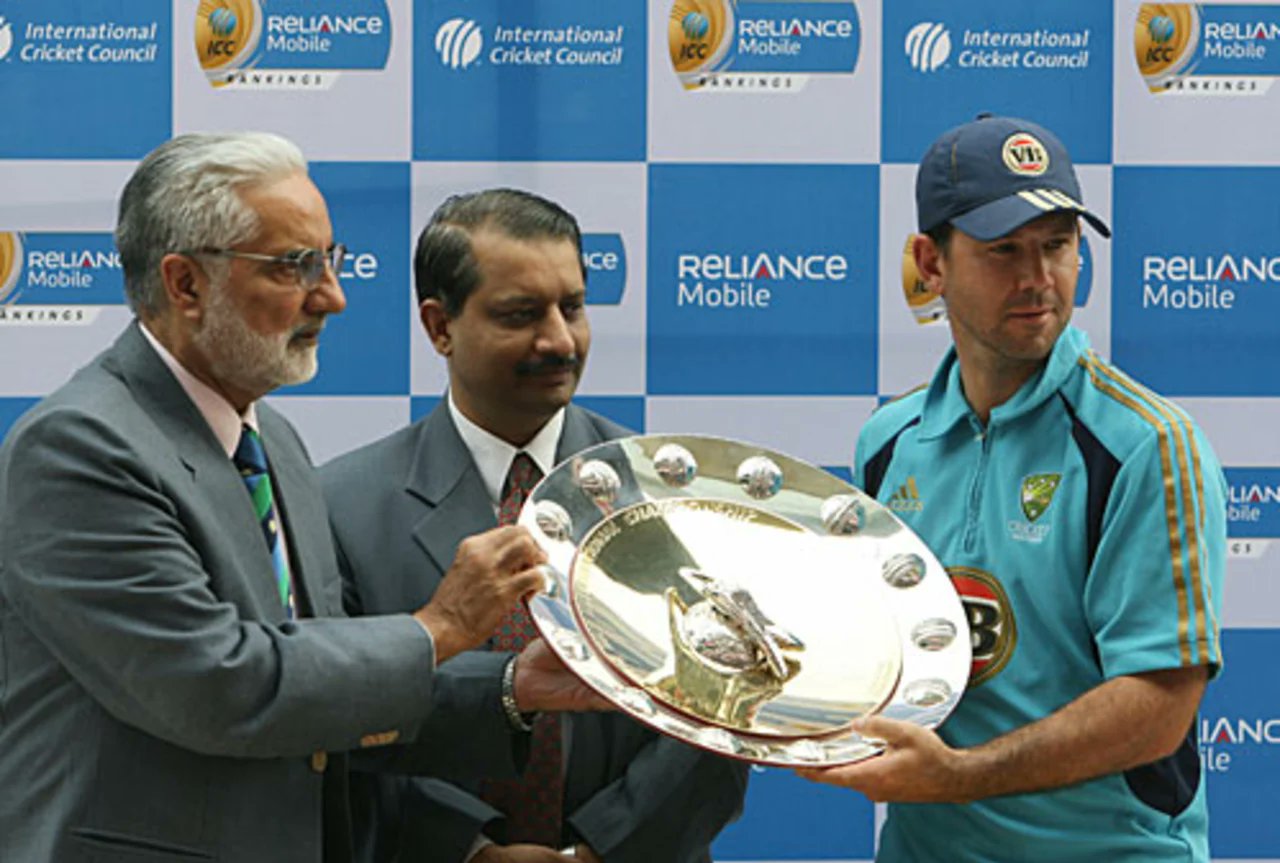
Inderjit Singh Bindra was one of the most influential administrators in Indian cricket history, a visionary leader whose firm governance and global outlook reshaped the game off the field. As BCCI president and a long-serving PCA chief, he helped usher Indian cricket into a modern, powerful era
 TDJ News Service
26 Jan, 2026
New Delhi: Inderjit Singh Bindra, a towering administrator whose vision helped shape modern Indian cricket, will be remembered as one of the most influential figures to serve the Board of Control for Cricket in India (BCCI).
He died on January 25 in New Delhi at the age of 84.
Bindra served as President of the BCCI from 1993 to 1996 and held several key positions within the board over the years, playing a central role during a period of significant transition for Indian cricket. His time at the helm was marked by an emphasis on stronger governance, institutional professionalism, and a more assertive Indian voice in global cricket administration. He was also India’s representative on the International Cricket Council, where he consistently advocated for the country’s growing stature in the game.
At the domestic level, Bindra’s impact was just as profound through his long association with the Punjab Cricket Association (PCA). As president (from 1978 to 2014) and office-bearer of the PCA for multiple terms, he was instrumental in transforming cricket infrastructure in the region.
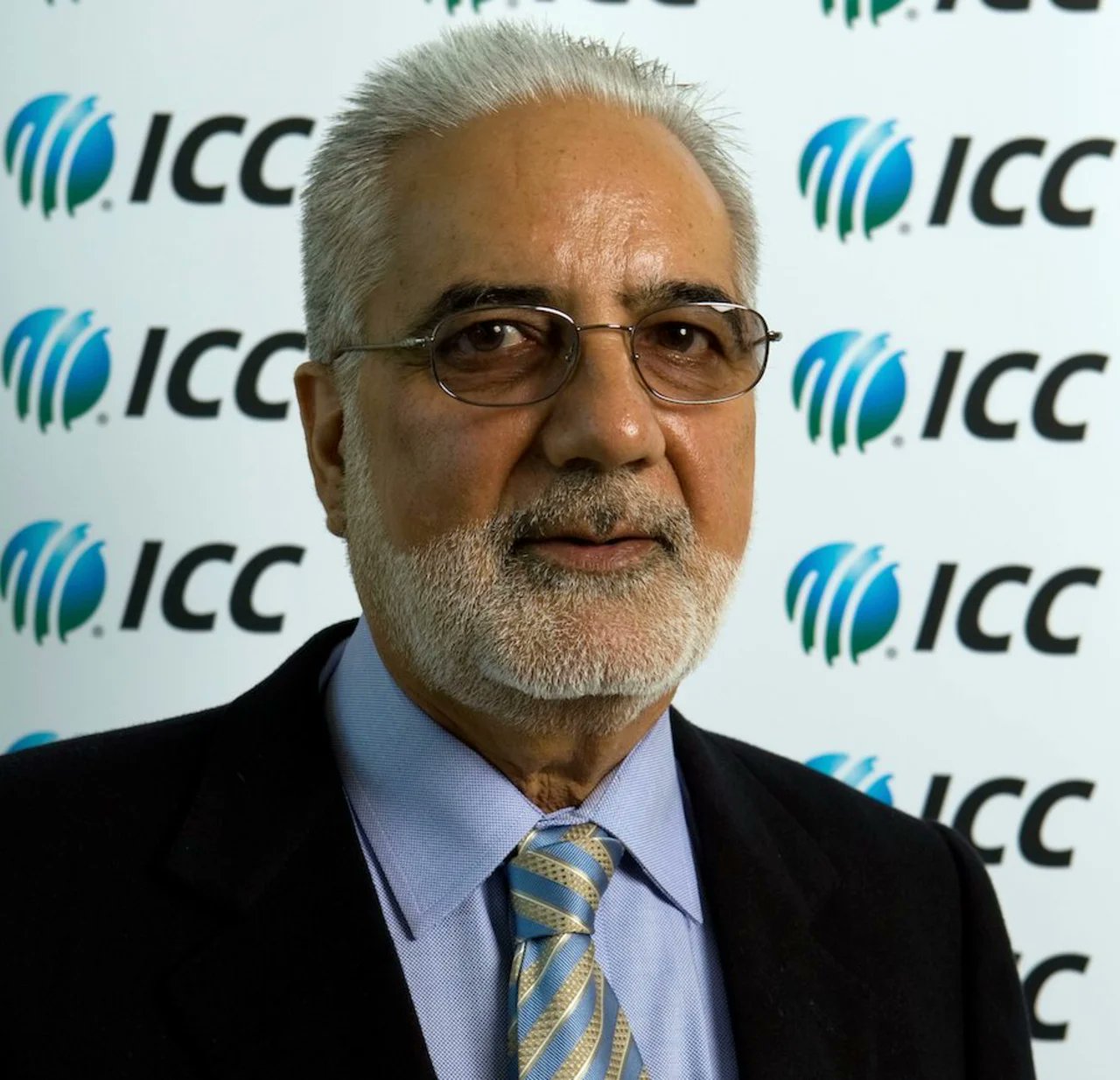
IS Bindra served as BCCI President from 1993 to 1996
His most visible legacy remains the PCA Stadium in Mohali, a venue he championed and developed into one of India’s finest, capable of hosting high-profile international fixtures and major tournaments.
One of Bindra’s most significant contributions came in India’s role as co-host of the 1996 Cricket World Cup. As a senior BCCI office-bearer at the time, he was deeply involved in the planning and execution of the tournament, which marked a turning point in how India and the subcontinent staged global cricket events.
The success of that World Cup helped pave the way for India’s eventual rise as the administrative and financial powerhouse of the sport.
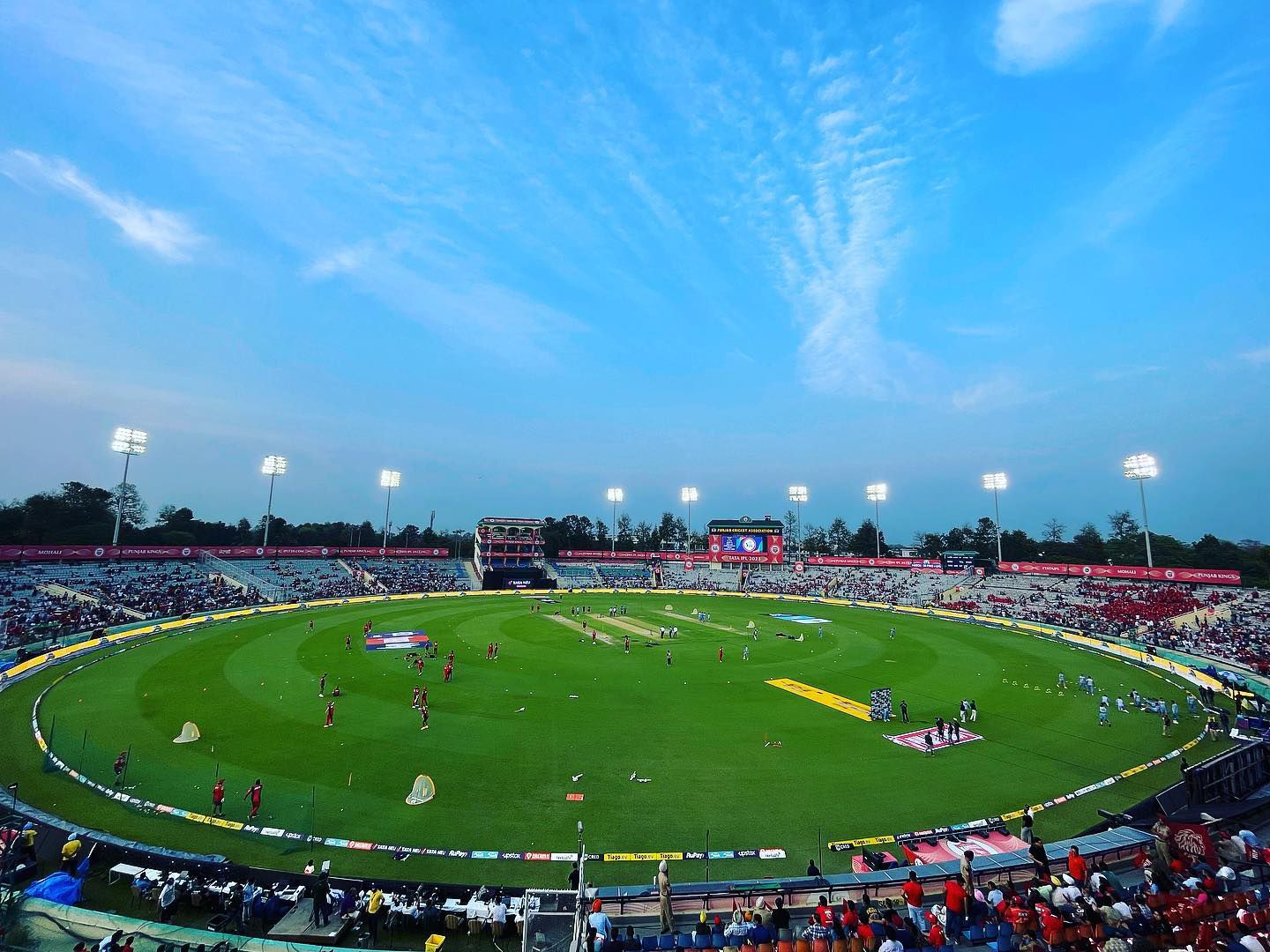
The PCA Stadium in Mohali was a legacy of IS Bindra
Known for his administrative sharpness and willingness to take firm positions, Bindra was respected — and sometimes feared — for his principled approach. He believed Indian cricket should command respect not only through performances on the field but also through strong, confident leadership off it.
Inderjit Singh Bindra’s legacy endures in the structures he strengthened, the institutions he built, and the authority Indian cricket now carries on the world stage. His contributions as a BCCI and Punjab Cricket Association office-bearer helped lay the foundation for the modern era of Indian cricket administration.
The BCCI issued a statement, saying, "The Board of Control for Cricket in India (BCCI) expresses its deep sorrow at the sad demise of Mr Inderjit Singh Bindra, former President of the BCCI, who passed away in New Delhi on January 25, 2026, at the age of 84. Mr Bindra was one of the most influential figures in Indian cricket administration, whose vision and leadership helped shape the way the game is governed in the country and represented on the international stage. His association with cricket administration spanned over four decades, during which he served Indian cricket with distinction at both the national and state level."
The statement added, "During his tenure as BCCI President from 1993 to 1996, Mr Bindra played a key role in strengthening India's position within the international cricketing fraternity. He was also a long-serving President of the Punjab Cricket Association (1978–2014), where his commitment to infrastructure development and grassroots growth left a legacy that continues to shape the game in the state. In recognition of his enduring contribution, the PCA Stadium in Mohali was renamed the I.S. Bindra Stadium in 2015 in his honour.
"Mr Bindra, along with former presidents the late Mr N.K.P. Salve and the late Mr Jagmohan Dalmiya, played a pivotal role in bringing the 1987 ICC Cricket World Cup to the subcontinent—the first time the tournament was held outside England after three successive editions. The Dalmiya-Bindra era also ensured that India hosted the 1996 ICC Cricket World Cup, further cementing the country’s place at the centre of the global game.
"Together, they laid the foundation for Indian cricket’s commercial strength and unlocked the full potential of broadcast rights during the rise of the satellite television era, a transformation that reshaped the media and broadcasting landscape across the country."
BCCI Honorary Secretary Mr Devajit Saikia said, "Indian cricket has lost one of its most influential architects. Mr Bindra’s commitment to the game, his administrative foresight and his passion for creating enduring infrastructure have left a legacy that will be remembered with deep respect across the cricketing fraternity. On behalf of the BCCI, I extend our deepest sympathies to Mr Bindra’s family, friends and the entire cricketing fraternity during this time of profound grief.”
Rajeev Shukla, Vice-President, BCCI, said, "Mr Bindra had a clear understanding of what it would take to make Indian cricket financially strong and sustainable. His focus on sound governance and smarter commercial structures helped lay the foundation for the game’s long-term growth. He set a high benchmark for administrators through a forward-looking approach that continues to benefit the sport.”
(This article has been generated with the use of AI)
Tags : IS Bindra, PCA Stadium, Mohali, Cricket, BCCI, World Cup