Events & Updates
Scholars discuss selection of Ghalib’s letters
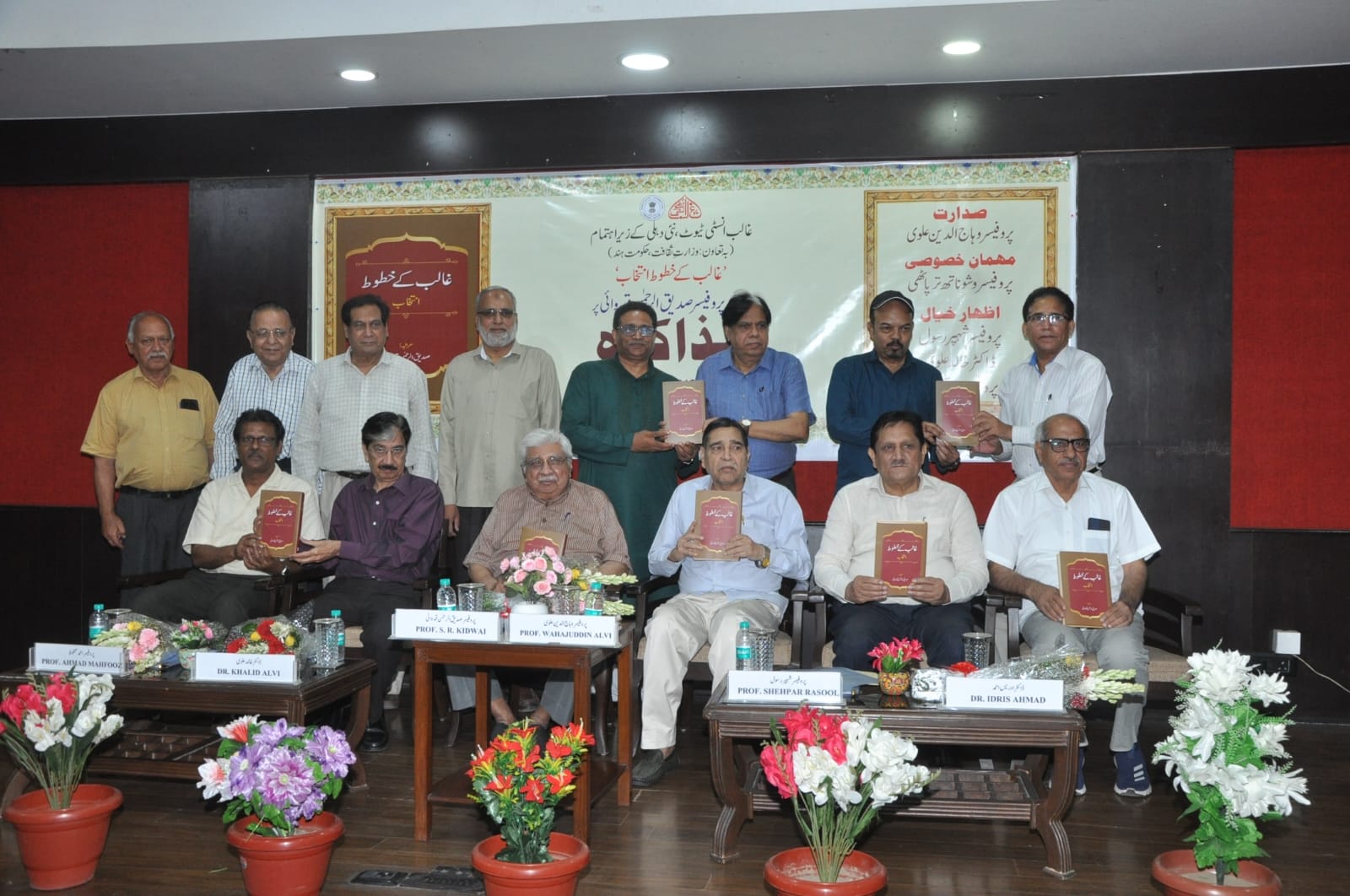
A discussion on Khutoot Ghalib Intikhab, a selection of Mirza Ghalib's letters compiled by Prof. Siddiq-ur-Rehman Kidwai, was held at Ghalib Institute, where scholars highlighted the literary, historical and cultural significance of Ghalib's correspondence
 TDJ News Service
21 Jun, 2026
New Delhi: The Ghalib Institute organised a literary discussion on 'Khutoot Ghalib Intikhab', a book by noted Urdu scholar and critic Professor Siddiq-ur-Rehman Kidwai, which was published by the institute in December 2025 and has since received appreciation in literary circles.
The programme was presided over by Professor Wahajuddin Alvi, who reflected on the unique historical circumstances that shaped the personality and writings of Mirza Ghalib. He observed that Ghalib lived through the decline of the Mughal Empire, the rise of British rule and the upheavals of 1857, experiences that broadened his intellectual outlook and found expression in both his poetry and correspondence. Praising the book, Professor Alvi said that Professor Kidwai had demonstrated remarkable skill in selecting the letters, resulting in a reading experience distinct from earlier compilations.
Speaking on the occasion, Prof. Kidwai expressed happiness that the publication had brought together many friends and scholars whom he rarely gets an opportunity to meet. He said the discussion had provided valuable insights and that he intended to revisit the selection in light of the observations made during the programme.
Noted scholar Professor Shahpar Rasool highlighted the subjective nature of literary selections, noting that different readers often assign varying levels of importance to the same text. He remarked that interpretations are frequently shaped by a reader's perspective and cited examples of differing readings of Ghalib's correspondence.'
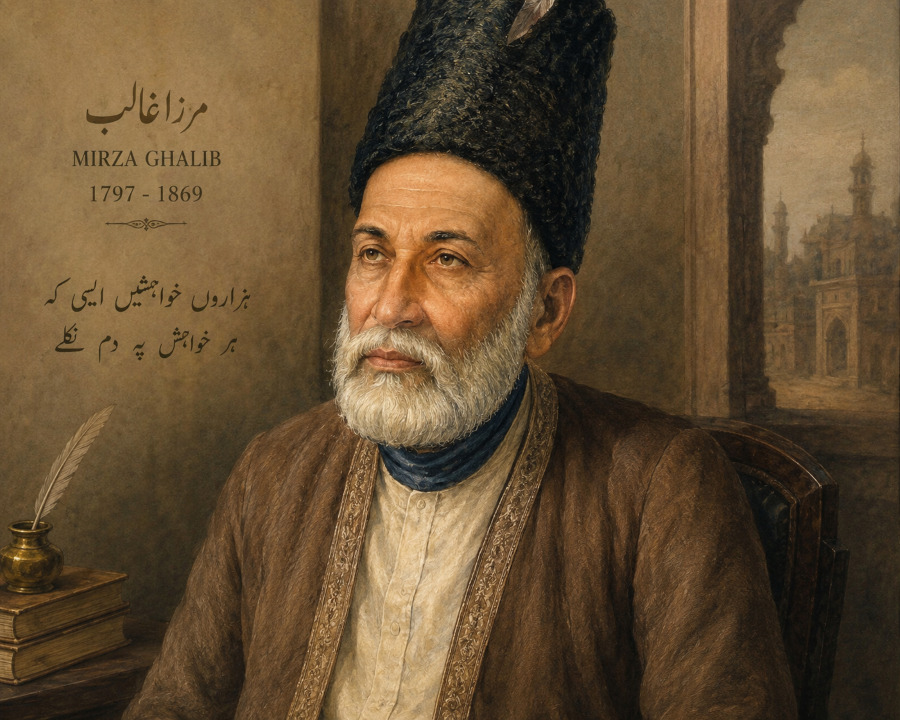
Literary critic Khalid Alvi said he had compared the selection with the complete collection of Ghalib's letters to understand the editor's choices. According to him, Prof. Kidwai had deliberately omitted repetitive and unnecessarily lengthy letters while preserving the essence and charm that make Ghalib's correspondence unique. He described this retention of the original spirit as one of the book's greatest strengths.
Sharing his views, Professor Ahmed Mahfouz emphasised the historical and cultural significance of Ghalib's letters. While Ghalib's poetic greatness is universally acknowledged, he said, the letters also serve as valuable documents for understanding the social, political and cultural life of the period. He noted that the absence of extensive correspondence from other classical Urdu poets makes Ghalib's letters even more important. Prof. Mahfouz added that every selection offers a fresh perspective, making new compilations relevant even when comprehensive editions already exist.
Welcoming the participants, Idrees Ahmed recalled Prof. Kidwai's dedication during the preparation of the volume. He said the scholar spent long hours at the institute working meticulously on the project and brought exceptional enthusiasm to the task. Idrees Ahmed observed that, beyond a literary connection, both Ghalib and Prof. Kidwai shared a positive and life-affirming outlook.
The event was attended by a large number of writers, academics and literary enthusiasts, who engaged in a meaningful discussion on Ghalib's enduring legacy and the continuing relevance of his letters in contemporary literary studies.
Tags : Ghalib Institute, Mirza Ghalib, Kidwai, Mughal